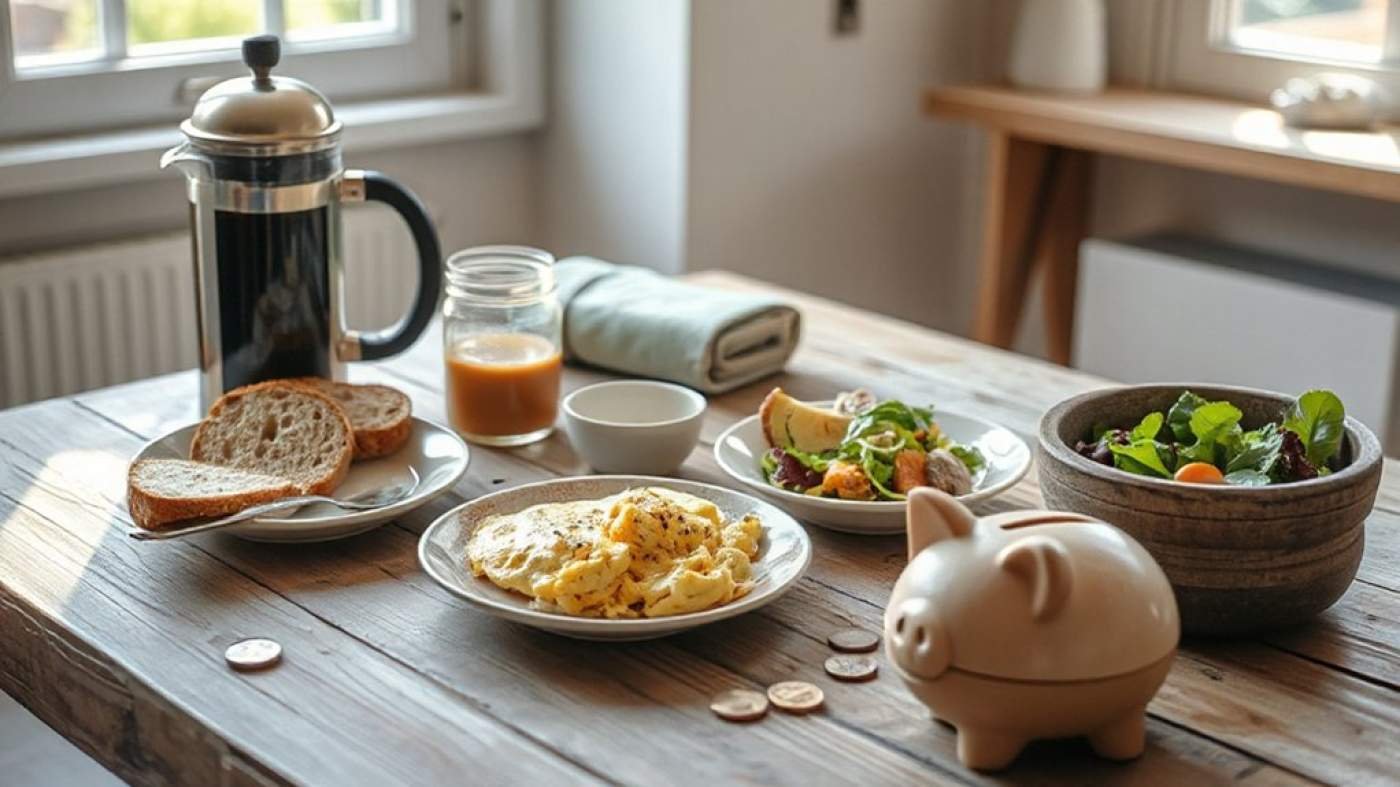

You can plan a tasty brunch without spending much. Build menus around eggs, oats, potatoes and seasonal produce, prep make-ahead components, and you’ll stretch recipes with beans or lentils. Shop smart with lists, unit pricing and single-item perishables. Small garnishes and simple drinks lift the spread. Want practical menu ideas and a shopping plan that saves time and money?
Key Takeaways
- Build menus around affordable staples (eggs, oats, potatoes, beans, rice) to stretch ingredients and keep per‑plate costs low.
- Shop sales, compare unit prices, buy nonperishables in bulk and single perishables to avoid waste and save money.
- Prep make‑ahead components—cooked grains, roasted veg, dressings—to save time, reduce spoilage, and simplify meal assembly.
- Stretch proteins with beans, lentils, grains, and flavorful toppings like toasted breadcrumbs or sautéed onions for satisfying textures.
- Host potluck‑style brunches with assigned courses and labeled dishes to share costs, reduce leftovers, and accommodate dietary needs.
Plan Your Menu Around Affordable Staples
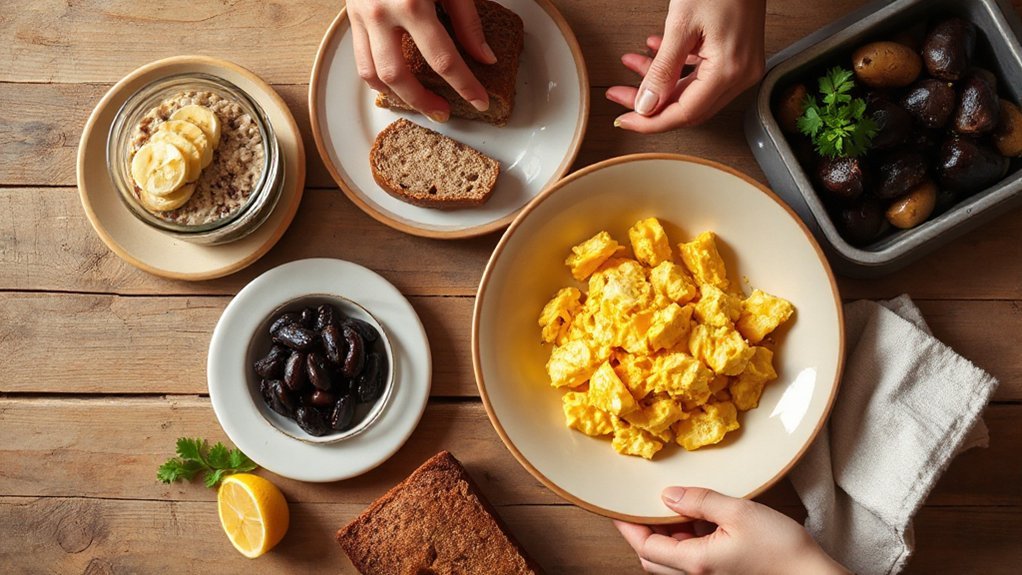
When you build your brunch menu around a few versatile, affordable staples—eggs, oats, potatoes, beans, and seasonal produce—you cut cost and simplify prep. Focus on pantry basics like canned tomatoes, frozen greens, rice and spices so you can stretch fresh items. Plan dishes that reuse components: roast potatoes become hash, scrambled eggs top warmed beans, oats turn into pancakes or a crisp. Aim for Texture variety—creamy, crisp, fluffy—to make each plate feel intentional without extra ingredients. Prep components the day before: hard‑boiled eggs, chopped produce, cooked grains. Use simple swaps—yogurt for sour cream, white beans for chickpeas—to save. You’ll serve satisfying brunches that need little time, few purchases, and minimal waste. Keep portions reasonable and label leftovers to prevent repeat buying and save money.
Shop Smart: Timing, Lists, and Bulk Buys
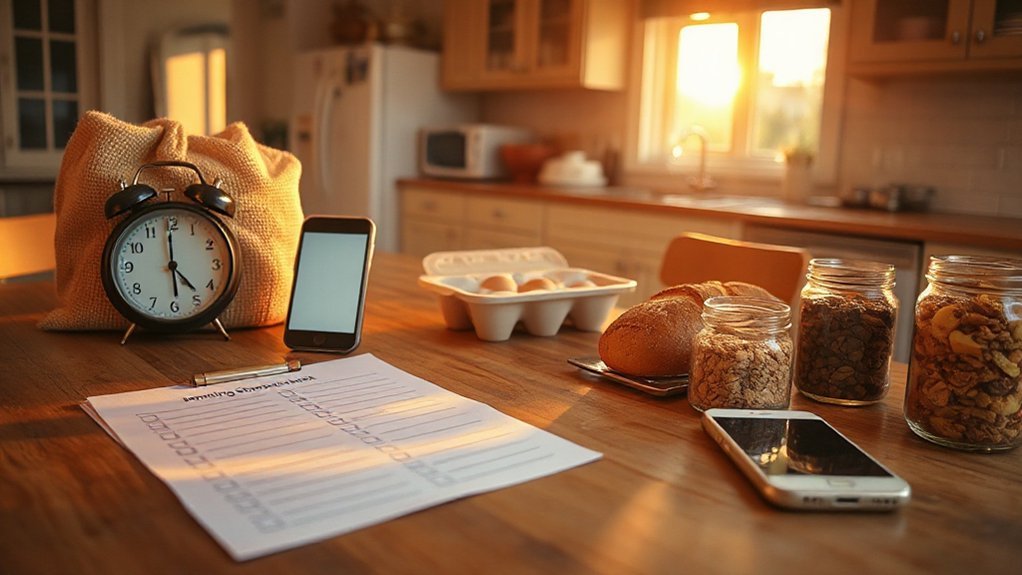
If you plan your shopping around sales cycles and your meal schedule, you’ll save time and money without sacrificing choice. You should keep a running list keyed to store flyers and online deals, use price tracking apps, and check unit pricing to compare options. Buy staples in bulk when storage and shelf life allow, but avoid overbuying perishables. Stick to a plan at the store and resist impulse buys.
- Check weekly flyers and set alerts.
- Use a list grouped by aisle to move fast.
- Monitor price tracking tools for recurring discounts.
- Choose bulk for nonperishables, single units for fresh items.
You’ll leave with essentials, lower bills, and less waste. Repeat this routine monthly to refine savings and simplify shopping plans.
Stretch Recipes With Simple Additions
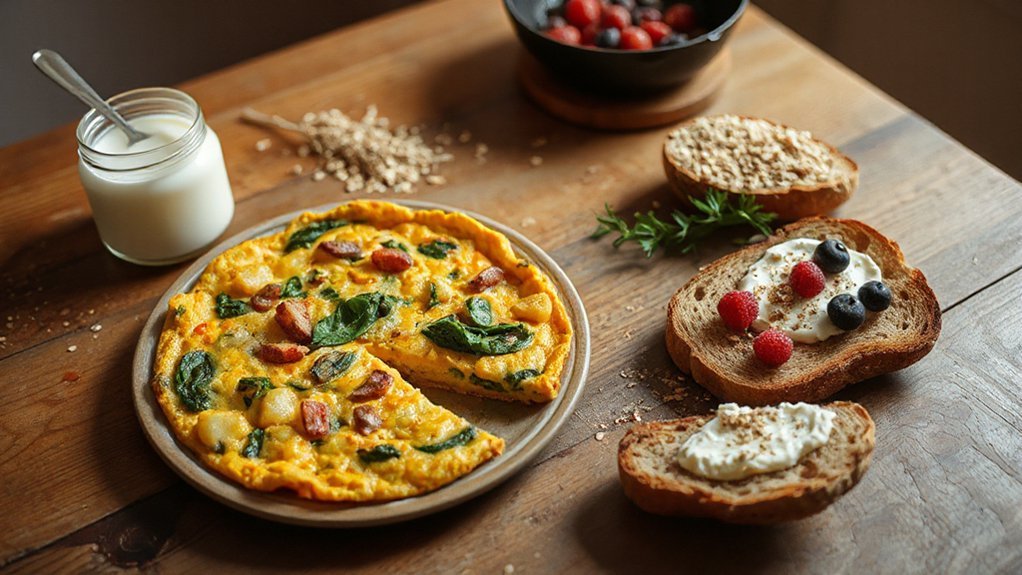
Stretching a recipe means spotting its core protein or flavor and bulking it out with cheap, compatible staples—think beans or lentils, rice or pasta, potatoes, canned tomatoes, eggs, and frozen vegetables—so you feed more people without losing taste. You’ll learn simple swaps: add cooked lentils to meat sauces, fold extra eggs into frittatas, or stir canned tomatoes into stews. Use protein stretchers like beans or grains and textural enhancers such as toasted breadcrumbs or sautéed onions to keep dishes satisfying. Plan amounts: add 25–50% more bulk, taste as you go, and adjust seasoning. Quick table for ideas:
| Base | Addition | Effect |
|---|---|---|
| Ground meat | Lentils | Volume, fiber |
| Omelet | Extra egg whites | Fluffier, cheaper |
You’ll save money and still serve generous, flavorful brunch plates to guests daily.
Choose Versatile Ingredients That Do Double Duty
Because versatile ingredients pull double duty, you’ll cut costs and simplify planning for every brunch. Pick items that build Flavor foundations and act as Texture transformers so one purchase serves multiple dishes. Choose eggs, Greek yogurt, lemons and a hearty grain: each can make savory dishes, sweet toppings, dressings and bulk out salads or bowls. Use spices, olive oil and a single cheese to unify plates and reduce waste. Plan meals around those anchors, swap preparations, and portion to stretch ingredients without sacrificing taste.
- Eggs: scramble, bake, or make custards.
- Greek yogurt: sauces, parfaits, or creamy dressings.
- Lemons: zest, juice, or preserved peels.
- Whole grains: risotto base, salads, or breakfast bowls.
You’ll save money and time while keeping brunch varied and satisfying every guest.
Make‑Ahead Components to Save Time and Waste
Prepping key components ahead lets you run a smooth brunch and cut food waste, so choose items that store and repurpose well—think cooked grains, roasted vegetables, dressings, compound butters, syrups, and baked egg frittatas. You can par baked pastries and freeze them; reheat from frozen for a fresh finish. Roast a tray of vegetables, portion into containers, and turn leftovers into hash or salad toppers. Whisk dressings and keep them in sauce jars for quick assembly. Make compound butter and roll in parchment to slice onto warm toast. Bake egg frittatas in muffin tins for grab‑and‑go servings. Label dates, use clear containers, and plan a week’s menu around the components so nothing goes unused. Rotate flavors weekly to keep offerings interesting and reduce boredom.
Swap Expensive Items for Budget-Friendly Alternatives
If you want to keep flavor and cut costs, swap a few pricey ingredients for smart alternatives you can dress up: use Greek yogurt or whipped ricotta instead of mascarpone, smoked trout or mackerel in place of smoked salmon, and store‑brand or bulk eggs rather than specialty prepackaged options. You can apply simple Brand downgrades and Packaging alternatives without sacrificing presentation. Buy whole lemons, grate zest fresh, and jazz up plain spreads with herbs, citrus, or a drizzle of honey. Rely on pantry staples and one or two standout items.
- Choose store‑brand cheeses and dress them with herbs.
- Use canned or jarred fish, flaked and reheated gently.
- Buy bulk eggs and separate for recipes as needed.
- Upgrade basic bread with toasting and infused butter.
Use Seasonal Produce for Flavor and Savings
When you shop seasonally, you’ll get brighter flavor and lower prices—so build your menu around what’s abundant at markets and grocery displays. Use Crop Calendars to plan menus weeks ahead, pick Local Varieties for better taste and value, and buy in bulk when something’s cheap. Roast, sauté, or toss produce simply to highlight freshness. Freeze extras or fold them into casseroles and frittatas you can reheat. Check farmer stands midday for markdowns and ask vendors about upcoming harvests. Table below gives quick swaps and storage notes.
| Produce | Season | Tip |
|---|---|---|
| Strawberries | Spring | Freeze ripe for smoothies |
| Tomatoes | Summer | Roast and jar for later |
| Apples | Fall | Make compote or dry slices |
| Brussels Sprouts | Winter | Shred and sauté quickly |
You’ll save money and serve tastier dishes regularly.
DIY Garnishes and Drinks That Look Fancy
You’ll make citrus peel twists with a vegetable peeler—strip 2–3 inch pieces, twist over the drink to release oils, then drop or rim the glass. Freeze small sprigs of mint, basil, or rosemary in ice cube trays with water or diluted juice so your drinks stay cold and look polished. Pluck and rinse edible flowers, pat them dry, and float one on cocktails or place on pastries for instant elegance.
Citrus Peel Twists
Twisting a citrus peel brightens drinks and makes them look professional with almost no effort: use a vegetable peeler or sharp paring knife to remove a thin strip of zest (avoid the bitter white pith), run the strip over the rim of the glass to release oils, then twist it tightly over the drink and hook the ends onto the glass or skewer them for a cocktail pick.
You’ll use basic peel anatomy and a little aroma chemistry to maximize scent without waste. Practice these quick tips:
- Use thin strips for easy twisting and less pith.
- Twist over the drink to spray oils, then rim the glass.
- Chill peels briefly to stiffen them for neat hooks.
- Save leftover peels for flavored sugar or vinegar.
Herb Ice Cubes
After you’ve brightened drinks with citrus peels, herb ice cubes give you another effortless way to make beverages and bowls look professional. You’ll pick sturdy herbs—mint, rosemary, thyme—trim leaves, and place single sprigs in each compartment. Fill molds halfway with filtered water to suspend herbs, freeze until solid, then top off and freeze again for clear cubes. For concentrated flavor, bruise leaves or add a few drops of herb-infused simple syrup before freezing. Use small trays for cocktail glasses, larger ones for punch bowls. Practice kitchen chemistry by noting how freezing locks oils and aroma; try texture experiments like crushing a partially melted cube to release bursts of herb. Label trays and store cubes in airtight bags to prevent freezer odor. They save money.
Edible Flower Garnishes
Want flowers that make drinks look fancy with almost no fuss? You can grow or buy edible blossoms and use them to elevate cocktails and mocktails while keeping costs low. Focus on flavor pairing and visual composition: pick blossoms that complement acidity and sweetness, like nasturtiums with citrus or violets with berry syrups. Practical tips:
- Use organic pansies or violas for color and mild taste.
- Float a single bloom on cocktails for instant impact.
- Preserve petals in simple syrup to flavor and garnish.
- Store blossoms gently layered on damp paper in the fridge.
Rinse flowers, remove pistils, and avoid pesticides. With simple prep and thoughtful pairings, you’ll serve brunch drinks that feel upscale without breaking your budget. Keep a small flower kit on hand.
Host Potluck-Style Brunches to Share Costs
Host a potluck by assigning dishes by course so you avoid duplicates and keep the menu balanced. Ask guests about allergies and preferences ahead of time and assign alternatives for vegetarian, vegan, or gluten-free options. Have everyone bring basic serving supplies—platters, serving spoons, labels—and list what’s still needed so you’re not stuck shopping at the last minute.
Assign Dishes by Course
Planning a potluck-style brunch by assigning dishes by course makes coordinating simple and keeps costs down. You’ll reduce overlap and guarantee course balance by asking guests to bring starters, mains, sides, or desserts. Set clear portions and suggest price ranges so everyone knows expectations. Use flow sequencing: have lighter items first, then heartier dishes, then sweets, and note when hot dishes need reheating. Provide a sign-up sheet with these categories so guests claim one slot.
- Starters: salads, fruit platters
- Mains: quiches, frittatas
- Sides: breads, roasted vegetables
- Desserts: muffins, pastries
Confirm contributions a few days before and offer swaps if two people pick the same item. You can also label serving utensils and provide warming tips so dishes stay at ideal temperature during the meal.
Coordinate Dietary Needs
Now that dishes are assigned by course, make dietary needs a clear part of your sign-up process so everyone can eat safely and enjoy the meal. Use quick guest surveys when you invite people: ask about allergies, intolerances, and major preferences (vegan, gluten-free, dairy-free). Require contributors to list key ingredients on the sign-up sheet so you spot conflicts before shopping. Designate an allergy station on the buffet with clearly labeled safe options and separate utensils, and ask cooks to mark their dishes with common allergens. If someone can’t bring food, suggest a low-cost store-bought item that fits restraints. Confirm restrictions a few days before brunch and redistribute dishes if gaps appear, keeping costs low and guests comfortable. Offer to coordinate substitutes when needed promptly.
Share Serving Supplies
Pooling serving supplies keeps costs down and makes setup smoother—ask guests to sign up for specific items like platters, tongs, serving spoons, napkins, and disposable plates so nothing’s left to improvise. You assign items in advance, confirm who brings what, and note fragile or reusable pieces. Set up Labeling Stations for dishes and allergens so guests know contents and return locations. Clarify Borrowing Etiquette: label owners, return times, and cleaning expectations. Use this checklist to keep it simple:
- Durable platters and serving utensils
- Disposable plates, cups, napkins
- Small signs or tape for Labeling Stations
- A contact list for Borrowing Etiquette and returns
Follow up day before, remind contributors, and collect reusable items promptly. Offer simple storage containers to transport leftovers and avoid mix-ups easily.
Repurpose Leftovers Into New Brunch Dishes
Transforming leftover dinner into a fresh brunch saves money and time and keeps food from going to waste. Use savory parfaits and frittata makeovers to reinvent proteins and veggies: layer roasted veggies, yogurt, herbs for a savory parfaits twist, or whisk eggs with chopped leftovers for quick frittata makeovers. You’ll also make breakfast bowls, quesadillas, or omelet-stuffed crepes. Plan combos, season boldly, and reheat gently to preserve texture. Below is a quick idea grid to spur simple swaps.
| Leftover | Brunch Idea | Time |
|---|---|---|
| Roast chicken | Savory parfaits with herbed yogurt | 10 min |
| Sauteed greens | Frittata makeovers | 15 min |
| Mashed potatoes | Hash cakes | 12 min |
Start saving today now.
Conclusion
You can make brunch feel like a feast without breaking the bank. Start with eggs, oats, potatoes and seasonal produce, prep make‑ahead basics, and stretch recipes with beans or lentils. Shop sales, buy perishables singly, and reuse components across dishes. Invite potluck contributions and repurpose leftovers into new plates. With simple garnishes and smart planning, you’ll turn humble staples into showstoppers — week after week, plate by plate, and save time, money, and kitchen stress.









Leave a Comment