You’ll want brunch that tastes like place and purpose. Seek menus built on seasonal produce, slow‑fermented breads, smoky mushrooms, herbaceous microgreens, and chickpea‑based batters that hold up. Favor spots that name farms and cut waste. This guide points you to cities, standout dishes, and smart ordering — but which kitchens are truly changing the brunch map?
Key Takeaways
- Seek cities known for plant-forward scenes—Portland, Tokyo, and Barcelona—for inventive, seasonal vegan brunches showcasing local farms and foraged flavors.
- Prioritize signature technique-forward dishes like smoky mushroom Benedict, miso-glazed king oyster “scallops,” and chickpea or tofu scrambles for top brunch experiences.
- Book early, request early/late seating, and ask about accessibility, BYOM policies, and allergy labeling to accommodate groups.
- Order shareable plates—roasted mushroom toast, chickpea fritters, smoky tempeh—and request simple swaps (cashew crema, silken tofu scramble) for mixed diets.
- Choose venues offering low-waste drinks and coffee options: shrub spritzes, herbal mocktails, and responsibly brewed pour-over with plant-milk choices.
Top Cities for Plant-Based Brunch
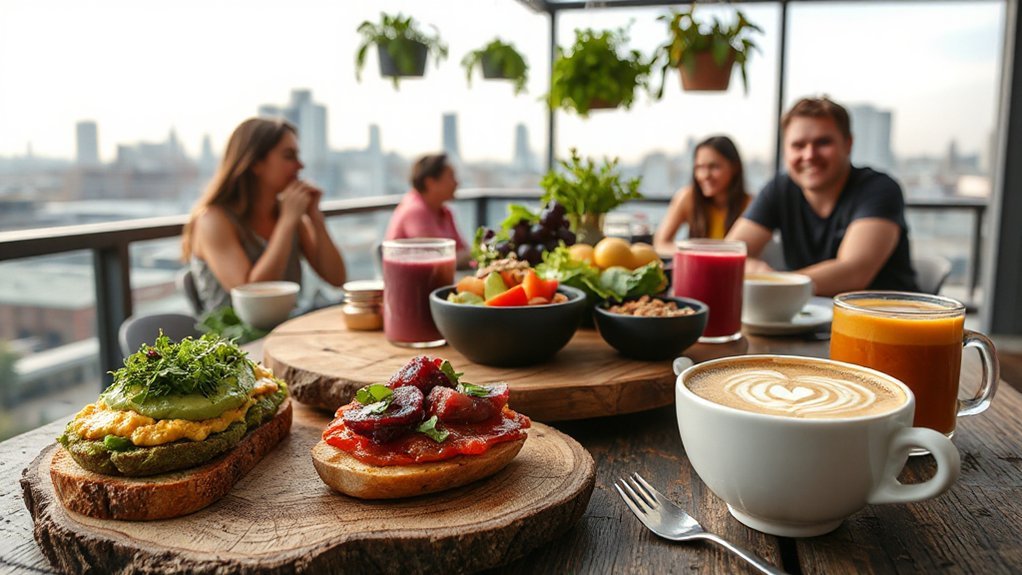
Where will you find the most inventive plant-based brunches? You’ll spot them in cities where farmers’ markets brim with heirloom tomatoes, smoky mushrooms and creamy nut cheeses, and where Brunch Festivals celebrate seasonal produce. You’ll choose Portland for its microgreens and foraged flavors, Tokyo for meticulous tofu craft, and Barcelona for citrus and olive oil-forward plates. You’ll seek neighborhoods that double as Tourist Hotspots so sustainability meets curiosity: rooftop gardens, zero-waste cafés, and cooperative kitchens. You’ll support chefs who source local grains, sprouted legumes and biodynamic produce, pushing menus toward regenerative agriculture. You’ll attend pop-ups and community markets, tasting innovations while advocating for transparency in sourcing and fair pay for growers and kitchen teams. Your choices reshape markets and nourish communities with every meal.
Must-Try Dishes at Vegan Brunch Spots
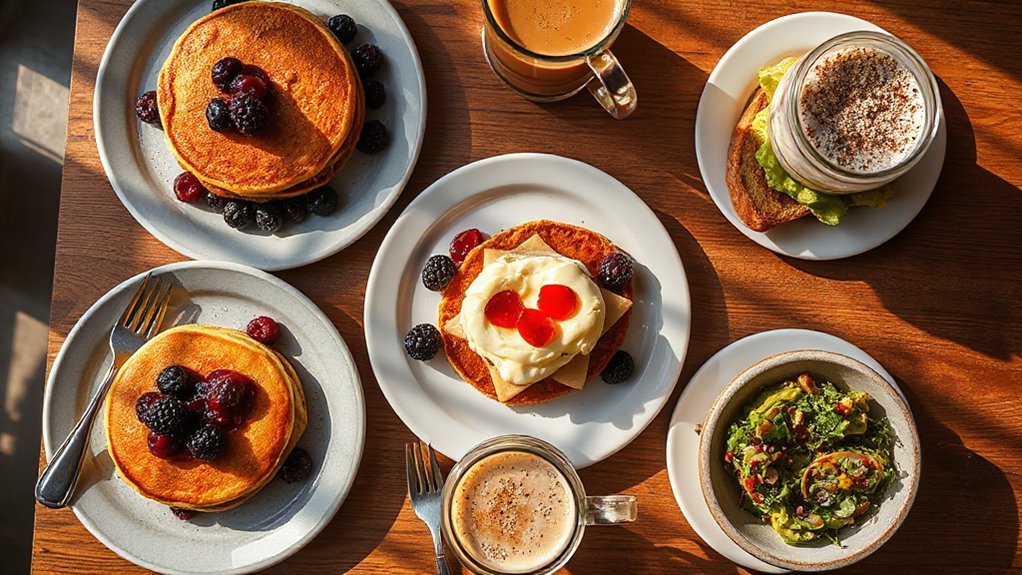
You’ll want to order dishes that celebrate the farmers’ bounty and the chef’s creativity: think smoky maitake or oyster mushroom benedicts topped with tangy cashew hollandaise and pickled ramps, silky silken tofu crumbles seasoned with kala namak, turmeric and foraged greens, or lemon-ricotta pancakes made with almond ricotta, olive oil and preserved citrus. You’ll find Tofu Scramble reimagined with smoked paprika, sautéed shallots, baby kale and creamy avocado — protein-forward, bright, and satisfying. Order a Chickpea Omelette stuffed with caramelized onions, roasted tomatoes and peppery arugula for a gluten-free, savory centerpiece. Seek seasonal sides: braised root vegetables, charred asparagus, and house-fermented hot sauce. Choosing these dishes supports sustainable farms and inventive chefs; you’ll leave convinced that compassionate food can be bold, nourishing and delicious.
Spotlight on Casual Cafes and Bakeries
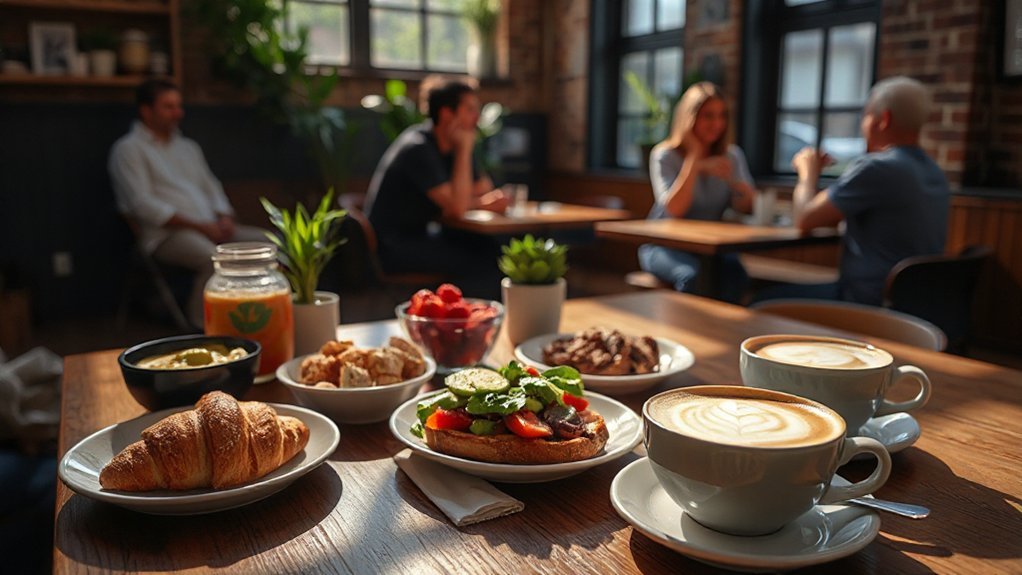
Warm ovens and a hum of conversation set the scene at casual vegan cafes and bakeries, where bakers lean on locally milled flours, sprouted grains, and slow-fermented sourdough to build texture and depth. You step up to Counter Service, choosing pastries glazed with aquafaba, savory galettes stuffed with caramelized onions and smoked tofu, and seasonal fruit tarts that spotlight minimal refined sugar. Baker Profiles on chalkboards tell you who ferments, who mills, who sources heritage beans and organic plant-based butter alternatives. You’ll taste intention in crumb structure, nutty whole grains, and cultured cashew creams. These spaces champion transparency and sustainability, so you can support makers, reduce waste, and enjoy brunch that’s thoughtful, vibrant, and rooted in real ingredients. Bring friends and savor community values.
Upscale Kitchens and Gourmet Vegan Brunch
Although they lean on fine technique as much as on provenance, upscale kitchens turn vegan brunch into a purposeful tasting — you’ll find miso-glazed king oyster “scallops,” smoked carrot lox, and sous-vide chickpea terrines plated with shaved foraged mushrooms and pickled ramps. You’ll taste concentrated broths, nut-based mousses, and heritage grains toasted to highlight texture; chefs balance acid, smoke, and umami so each bite reads like advocacy for plant integrity. Expect menus that rotate with seasonal farms and wild harvests, and staff who explain sourcing without pretension. Behind the scenes, Kitchen staffing prioritizes trained line cooks and pastry artisans to sustain precision, while Brunch economics shape portioning, pricing, and the care that makes gourmet vegan brunches feel both ethical and undeniably luxurious and vibrant.
How to Choose the Perfect Vegan Brunch Spot
When you pick a vegan brunch spot, scan the menu for seasonal, house-made dishes and clear notes on protein sources, fats, and whole-food ingredients so you know you’re getting variety and quality. Pay attention to the ambiance—natural light, comfortable seating—and practical accessibility like level entry, wide aisles, and clear transit or parking options. Choose places that transparently source local ingredients and accommodate dietary needs so your meal supports ethical, inclusive dining.
Menu Variety and Quality
Because a great vegan brunch spot treats plants like stars, you’ll spot quality in the ingredients they prioritize: seasonal vegetables, sprouted grains, firm tofu and tempeh prepared with care, and house-made nut milks, sauces, or aquafaba that replace shortcuts. You should expect menus that offer texture variety — crisp roasted roots, silky cashew cream, chewy sourdough, fluffy chickpea omelets — and thoughtful combinations that provide nutritional balance without relying on processed imitations. Look for chefs who highlight provenance, roast and ferment to deepen flavor, and swap oil-heavy steps for braising or steaming. When a kitchen cares about ingredient integrity and purposeful technique, your brunch becomes an ethical, satisfying meal that champions plants and nourishes you while keeping portions sensible and prices fair for everyone.
Ambiance and Accessibility
You’ll notice a great vegan brunch spot treats atmosphere like an ingredient: natural light and plant-filled corners bring out the color of roasted beets and vibrant greens, soft acoustics keep conversation warm without drowning out the clink of cutlery, and clean air lets delicate herb and citrus notes shine. When you choose a place, prioritize balanced Noise Management so you can savor textures and flavors without shouting. Look for seating that feels intentional — communal tables for sharing, small nooks for dates. Don’t compromise on accessibility: check entrances, aisle width, and restroom layout to guarantee Wheelchair Access and dignity. A thoughtful room signals a kitchen that cares about process, sourcing, and the full sensory experience you deserve supporting ethical producers and seasonal farmers everywhere today.
Booking, Waitlists, and Timing Tips
If you want the best shot at the seasonal tofu scramble or the limited-run jackfruit benedict, book ahead and aim for early or late seating—popular vegan brunches flip through ingredients fast and chefs often reserve their best batches for the first service. Use Reservation reminders on your phone and the restaurant app so you don’t miss a night when citrus-marinated tempeh or heirloom mushroom gravy appears. When places are full, employ Waitlist hacks: join multiple lists, call ten minutes before opening, and ask about cancellations tied to special-release pastries. Arrive knowing the menu’s peak items and timing; advocate for sustainable choices by requesting ingredient-swap details and supporting spots that prioritize small-batch produce and zero-waste prep. You’ll taste fresher dishes and directly reward mindful kitchens.
Feeding Mixed Diet Groups: What to Order
You can order shareable platters—roasted mushroom toast, crispy chickpea fritters, and smoky jackfruit sliders—to let everyone graze and sample bold plant flavors. If companions prefer meat, ask for a side of seared tempeh bacon or grilled sausage, or choose umami-rich mains with miso and caramelized onions that satisfy meat eaters. Use easy swaps and add-ons—vegan cheese, avocado, or optional eggs or yogurt—to customize plates while keeping the menu plant-forward.
Shared Plates for Groups
Balancing plates for a mixed-diet table means choosing dishes that showcase bold textures and unmistakable flavors—charred cauliflower wings tossed in smoky harissa, creamy cashew ricotta crostini brightened with preserved lemon, and crispy tofu bites glazed in maple-mustard—so everyone at the table, whether they eat meat or not, gets satisfying protein, fat, and umami. You’ll use Sharing Etiquette and smart Serving Trays to guide portions and flow, labeling spicy or nut-forward items. Pick shareable plates that spotlight ingredients: roasted roots, smoky chickpeas, herb-packed salads, tangy pickles and crunchy seeds. Arrange them so people graze confidently. Shared plates:
- Harissa cauliflower wings with lemon aioli
- Cashew ricotta crostini with preserved lemon
- Maple-mustard tofu bites with scallions
- Smoky chickpea sliders with pickled onions
- Charred vegetable platter with za’atar
Options for Meat Eaters
While meat eaters will appreciate hearty, well-seasoned proteins alongside the vivid vegan plates, prioritize options that echo those same flavors—smoky, tangy, and textural—to keep the table cohesive. You can suggest charred tempeh, citrus-marinated jackfruit, and mushroom “bacon” for balance, then offer guests responsibly-sourced chicken or fish from meat inclusive venues when requested. Ask about BYOM policies if a venue allows bringing specialty meats for celebrations.
| Vegan option | Meat option |
|---|---|
| Smoky tempeh | Grilled chicken |
| Mushroom “bacon” | Seared salmon |
| Citrus jackfruit | Maple pork belly |
Focus on ingredients: smoked paprika, tamari, lemon zest, and crunchy seeds unite plates, and order family-style so everyone samples textures and punchy condiments bridge diets while keeping plant-forward advocacy. You’ll keep guests satisfied and centered on shared flavors and mindful sourcing practices.
Easy Swaps and Add-Ons
If you want everyone to eat off the same plate, pick easy swaps and sharable add-ons that mirror core ingredients—smoked paprika, tamari, lemon zest, and crunchy seeds—to keep flavors consistent. Choose dishes where you can replace cheese with cashew crema, swap eggs for silken tofu scramble, or add charred seasonal veg to bridge tastes. Bring Pantry Essentials and use Prep Shortcuts to order combos that travel well and finish at the table. Offer options so omnivores feel included without sidelining plant foods:
- Cashew crema instead of ricotta
- Smoked tempeh as bacon alternative
- Chickpea scramble with kala namak
- Roasted mushrooms with tamari glaze
- Toasted seed blends for crunch
You’ll make mixed groups comfortable while steering choices toward bold, plant-forward flavor, and community-minded dining together today.
Vegan Brunch on a Budget
A few pantry staples can turn affordable ingredients—oats, chickpeas, tofu, seasonal fruit, and bulk grains—into a vibrant vegan brunch that doesn’t skimp on flavor or nutrition. You can mix oats with mashed banana and cinnamon for hearty pancakes, whip chickpea flour into savory omelets, and crisp tofu with smoked paprika for a satisfying scramble. Shop with coupon strategies and bulk buying in mind: freeze portions of berries, split large bags of rice, and compare unit prices. Focus on versatile sauces—tahini, salsa, herbed oil—to elevate simple plates. You’ll support sustainable choices and stretch your budget without sacrificing taste, proving compassionate eating can be both affordable and abundant. Plan weekly menus, shop seasonal sales, and prioritize nutrient-dense staples to keep brunch exciting, varied, and reliably cheap.
Brunch Cocktails, Mocktails, and Coffee Picks
Stretching your brunch budget doesn’t stop at the plate—your drinks can do more with less too, using pantry staples and seasonal produce to make memorable cocktails, mocktails, and coffee that celebrate flavor and ethics. You’ll favor Low ABV spritzes—prosecco alternatives with shrub, citrus, sparkling water—to keep social rituals gentle and eco-minded. Mocktails use pantry shrubs, herbal infusions, and cold-pressed juice for depth without alcohol. For coffee, prioritize Decaf Brewing methods that respect bean origin and roast, like immersion or pour-over with freshly filtered spring water. Advocate for plant milks and syrups to reduce food waste. Try these signatures:
- Citrus-shrub Low-ABV spritz with sparkling water
- Ginger-honey shrub mocktail (vegan substitute)
- Vanilla almond latte, Decaf Brewing pour-over
- Herb-infused iced tea mocktail
- Cold-brew tonic with orange peel
Seasonal Ingredients and Menu Highlights
You’ll notice menus built around local seasonal produce, where peak-ripe tomatoes, bitter greens, or spring peas set the tone for each plate. Chefs rotate highlights weekly or monthly to showcase what’s freshest, so you’re always getting something new and thoughtfully sourced. Expect bold flavor pairings and techniques—acid brightening, slow-roasting, fermenting, and herb oil finishes—to amplify plant textures and taste.
Local Seasonal Produce
Celebrating seasonal produce, many vegan brunch spots center menus around what’s ripe locally, so you’ll taste asparagus and ramps in spring, sun-warm tomatoes and peaches in summer, wild mushrooms and squash in fall, and citrus and hearty roots in winter. You’ll find dishes that celebrate terroir, prioritize soil health, and respect foraging ethics while supporting small farms and humane harvests. Chefs craft bright, plant-driven plates that show peak texture and flavor.
- Herb-flecked pea toast with lemon zest
- Charred peach salad with basil oil
- Roasted squash hash with smoky tempeh
- Wild mushroom tartine with thyme
- Citrus ricotta-style panna cotta made from almond milk
Choose restaurants that trace ingredients, minimize waste, and seasonally educate guests and commit to fair pay and regenerative practices for future seasons.
Rotating Menu Highlights
Often, rotating menus let chefs spotlight what’s peak at the market, so you’ll taste bright ramps and pea shoots in spring, blistered tomatoes and peaches in summer, smoky squash and wild mushrooms in fall, and citrus and hearty roots in winter. You’ll notice how Chef experiments reshape familiar dishes into celebration plates that honor growers and reduce waste. When you choose restaurants with transparent supply logistics, you support shorter seasons, fair pay, and fresher produce. Look for weekly blackboards or online updates that name farms and list the tiny-batch preserves or foraged elements elevating each dish. Embrace places that adapt fast; your patronage rewards creative risk-taking and sustainable sourcing, helping local ecosystems and small producers thrive. Expect menus to change often and savor it.
Flavor Pairings and Techniques
As menus shift with the seasons, chefs pair peak produce with techniques that sharpen flavors and reduce waste so each bite feels intentional. You’ll notice Umami Layering — miso, roasted mushrooms, charred tomatoes — boosting savory depth while herbs and acids lift brightness. You’ll taste Texture Contrast in every course: crisp, silky, creamy, crunchy. Seasonal sourcing guides riffs: small farms, bruised fruit repurposed into compotes, stems into pesto. You should seek restaurants that champion these choices; they respect flavor and planet.
- Roast, char, ferment to concentrate sweetness
- Acid finishes: lemon, verjus, fermented vinegars
- Nut cheeses and tofu for creamy structure
- Pickles and quick ferments for snap
- Whole-plant scraps transformed into broths
Support kitchens that practice Umami Layering and prioritize Texture Contrast — you’re voting for food systems.
Conclusion
You walk into a garden kitchen where every plate is a map: smoky mushrooms are mountains, chickpea omelets roll like golden fields, and citrus oils shine like morning sun. You’ll choose places that honor farmers, foragers, and fermentation, and you’ll taste seasons, not shortcuts. Advocate for menus that name farms and minimize waste—because when you dine this way, you’re not just eating; you’re nourishing soil, community, and a kinder table for everyone and future generations.