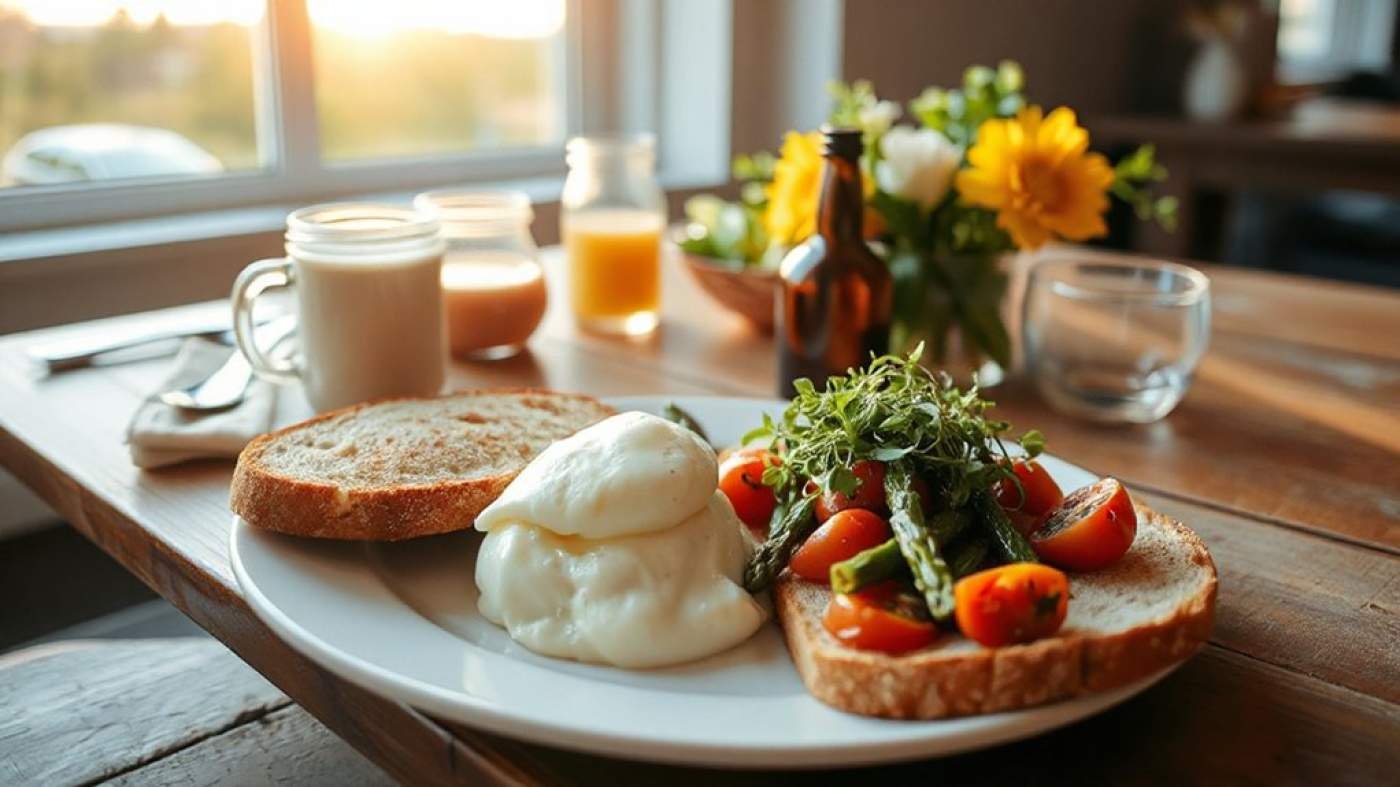

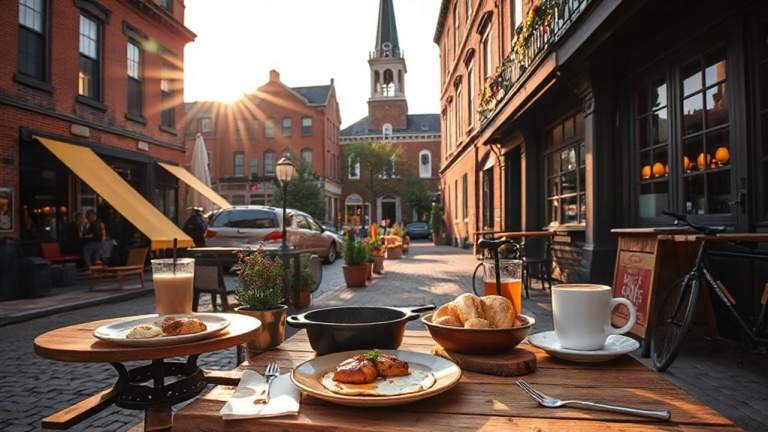
You want brunch that reflects Portland’s seasons and ethics, where pasture‑raised meats, heritage grains and wild mushrooms shape the menu. You’ll find distinct neighborhood vibes, clear sourcing, and minimalist plates that still feel generous. I’ll map standout dishes, local producers and sustainable practices so you can pick the right spot for the season—but first, consider where you like to sit.
Key Takeaways
- Seek restaurants that list local farms, foragers, and producers on menus to ensure true farm-to-table sourcing and ethical practices.
- Prioritize seasonally driven menus highlighting heirloom vegetables, heritage grains, and pasture-raised proteins for authentic Portland flavor.
- Explore neighborhood styles: Pearl for polished plates, Alberta for playful hyper-seasonal dishes, Mississippi for wood-fired community fare.
- Order single-star-ingredient dishes—savory Dutch baby, smoked salmon variations, or vegetable-forward plates—to taste ingredient quality and texture contrasts.
- Book weekday or early-service reservations, confirm substitutions/allergies, and ask servers about composting, portion sizes, and drink pairings.
Why Farm-to-Table Brunch Matters in Portland
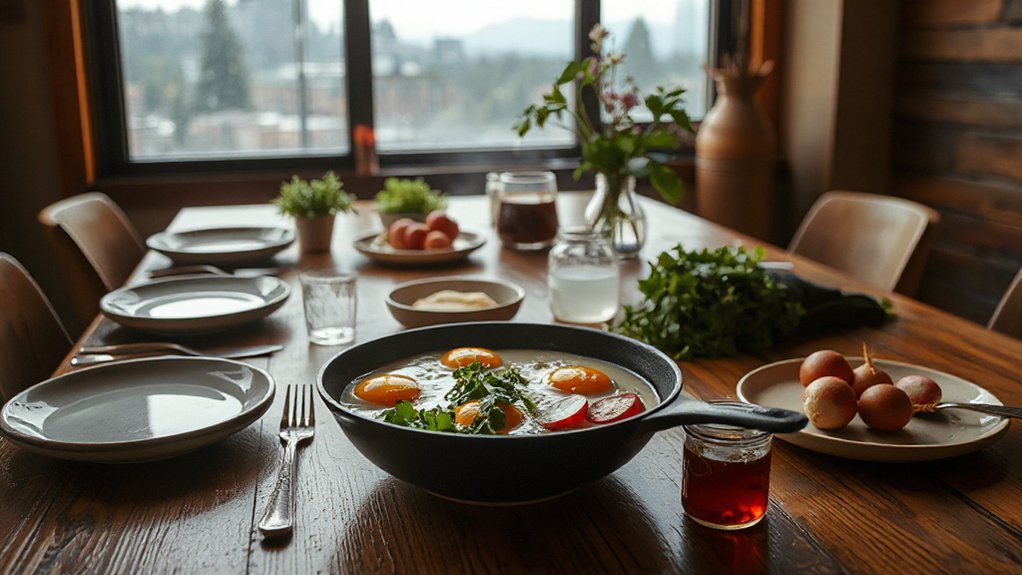
Because Portland’s identity is tied to its landscapes and small farms, farm-to-table brunch isn’t just a trend—it’s central to how the city’s food culture functions. You notice how menus map seasons, highlighting local produce, heritage grains and ethically raised meats; that transparency shapes Portland’s Cultural identity and distinguishes its dining scene. When you choose a brunch spot here, you’re participating in a local economy and a culinary philosophy that values provenance and minimal waste. That commitment elevates ingredients, sharpens chefs’ creativity and offers visitors a distinct, place-based experience. The result is a strong Tourism appeal—people come expecting authenticity, thoughtful sourcing and flavors rooted in region. In short, farm-to-table brunch is civic expression as much as it is a meal. You benefit from that integrity.
Neighborhoods Where Local Brunches Shine
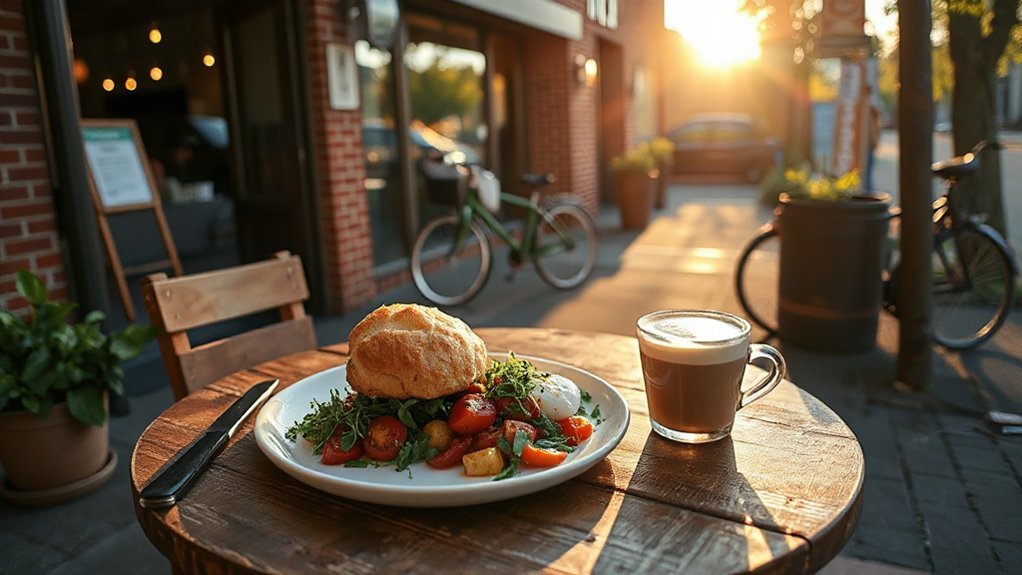
Across Portland’s neighborhoods you’ll find distinct brunch ecosystems that reveal how place shapes plates: the Pearl District serves polished, ingredient-forward menus that cater to visitors and design-conscious locals; Alberta Arts mixes playful, multicultural small plates with hyper-seasonal produce and strong coffee culture; Mississippi and North Williams lean into lively, community-rooted spots where wood-fired techniques and local beer pairings dominate; Hawthorne favors rustic comfort—think whole-grain pancakes and house-cured meats—while Sellwood and Laurelhurst offer quieter, hyper-local experiences pitched at families and neighborhood regulars.
You can follow corridors like Mississippi Avenue to gauge neighborhood ethos; the Pearl District feels curated, while other streets prioritize warmth and communal rhythms.
| Area | Vibe |
|---|---|
| Pearl District | Polished |
| Mississippi Avenue | Lively |
| Hawthorne | Rustic |
You’ll find each block reveals honest culinary identity daily.
Must-Try Dishes at Portland’s Farm-to-Table Brunches
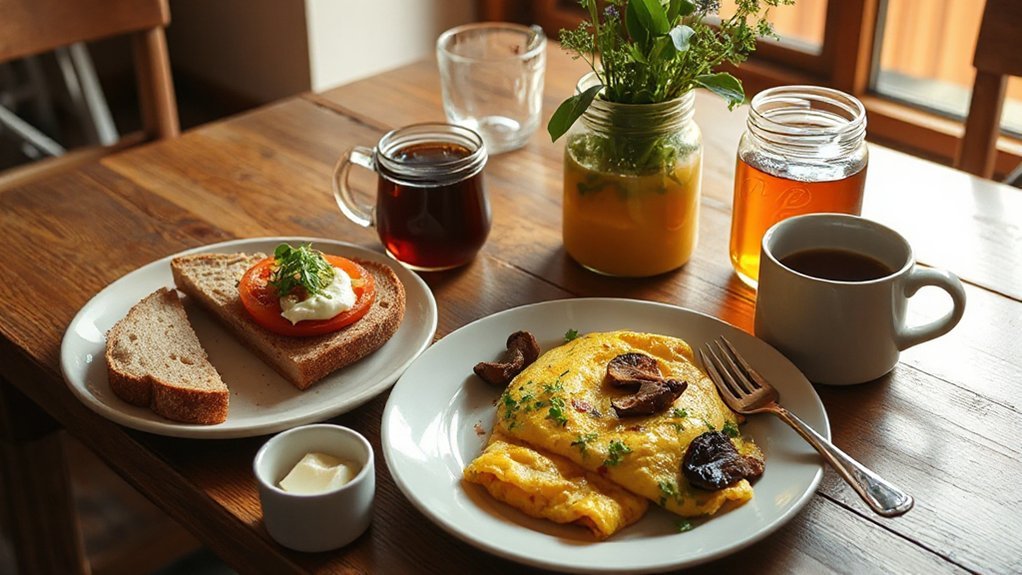
What should you order when Portland kitchens are turning over farm boxes into brunch? You’ll want dishes that showcase seasonality and technique: a savory Dutch Baby topped with herb-heavy ricotta, blistered tomatoes and a runny yolk delivers theatrical texture and restrained richness. Smoked Salmon appears in multiple smart iterations—on nettle pancakes, in herb crema, or as a bright, citrus-cured salad—each highlighting brine against fresh vegetable crunch. Don’t overlook vegetable-forward plates: charred asparagus with preserved lemon, or mushroom hash with thyme and crispy shallots, which prove seasonal produce can headline. Be selective: favor dishes that balance acidity, fat and smoke, where chefs respect ingredients instead of masking them. That’s where Portland brunch earns its reputation. You’ll leave satisfied and ready to recommend your favorites widely
Spotlight on Local Farms, Foragers, and Producers
When chefs credit their suppliers, they’re pointing to more than provenance—they’re naming the hands, soils and seasons that shape every bite you’ll taste. You’ll notice how producer stories inform menu choices: a dairy’s pasture practices, a forager’s ethics, a seed saver preserving heirloom varieties. You can judge restaurants by transparency—ask about sourcing, visit stands, read labels. That scrutiny reveals taste linked to place, not hype. Below is a quick reference to notable local contributors you might seek out:
| Producer | Contribution |
|---|---|
| Small dairy | Grass-fed cheeses, ethical care |
| Seed saver | Rare heirloom varieties, genetic diversity |
| Forager | Wild mushrooms, coastal greens |
| Urban farm | Microgreens, soil-restorative methods |
Let those producer stories guide your brunch decisions. You’ll value roots-based care and traceability over flashy plating every meal served.
Seasonal Brunch Menus and What to Order
How do you read a seasonal brunch menu to get the best meal? Start by scanning for ingredient provenance and what’s listed as peak—chefs highlight what’s freshest. Prioritize dishes that showcase a single star ingredient; they’re usually simplest and most honest. Consider texture contrasts and acidity levels so flavors won’t compete. Ask about portion options if you want to share or try several plates; smaller portions let you sample without waste. When ordering, pair thoughtfully: balance rich dishes with bright beverage pairings like sparkling wine, citrus-forward cocktails, or acidic coffee. Don’t default to classics—choose preparations that celebrate the season. Trust your server’s recommendations; they’re your shortcut to chef intent and the most compelling, timely dishes. You’ll leave satisfied and curious for the next visit.
Sustainable Practices to Look For at Brunch Spots
Why prioritize sustainability at brunch? You want meals that reflect responsible sourcing, so look for restaurants that detail supplier relationships, seasonal produce, and transparent menus. Prioritize spots with compost programs — they reduce landfill waste and close nutrient loops, which you should value. Notice energy choices: restaurants that use renewable energy or efficient appliances show long-term commitment beyond marketing. Evaluate plate composition: ingredient diversity, minimal food miles, and waste-conscious portions signal thoughtful kitchens. Ask staff about reusable serviceware, local shellfish harvests, and humane animal practices; their answers tell you if sustainability’s baked into operations or just a buzzword. In my view, choosing restaurants that act on these criteria makes your brunch both delicious and meaningfully impactful. You’ll leave satisfied and proud of your choice.
Tips for Choosing and Booking the Perfect Farm-to-Table Brunch
Where you book your farm-to-table brunch matters more than you might think: pick places that clearly publish supplier relationships and seasonal menus, and you’ll avoid surprises while supporting genuine local producers. Evaluate menus, call to confirm substitutions, and note booking policies. You should prioritize Reservation timing — weekends fill fast — and ask about flexibility for Group bookings. Consider chef notes and allergy accommodations, and inspect provenance claims; transparency matters.
Choose farm-to-table brunches that publish suppliers and seasonal menus; check substitutions, group policies, and timing.
- Choose venues that list farms and purveyors.
- Reserve weekday slots or early service to avoid waits.
- Ask venue about Group bookings fees and set menus.
- Confirm substitutions, allergies, and portion sizes.
- Verify cancellation policy, parking, and transit access.
Be decisive: a well-chosen spot reflects your values and improves the meal. Book early when possible.
Conclusion
You’ll find Portland brunch feels like a weathered farm table: sturdy, honest, and crowded with stories. I once watched a chef trade soggy market kale for a neighbor’s just-cut greens — a seven-minute swap that saved a menu and grounded the dish. That micro-economy shows why sourcing matters: 68% of diners say provenance influences choices. You’ll taste purpose in each bite, and you’ll leave convinced local food is both comfort and civic act and urban renewal today.




Leave a Comment