Think of a lighthouse guiding you to a safe harbor—you want brunch spots that steer you away from gluten risks. You’ll want places with clear, updated ingredient lists, trained staff, and separate prep or dedicated equipment. This practical, patient-centered approach reduces cross-contact and protects your health, so you’ll know what to ask next.
Key Takeaways
- Look for restaurants with a clearly labeled dedicated gluten‑free menu listing ingredients, allergen symbols, and cross‑contact warnings.
- Confirm strict cross‑contact controls: separate prep areas, dedicated utensils, toasters, fryers, and labeled storage for gluten‑free ingredients.
- Ask whether front‑ and back‑of‑house staff complete formal gluten‑free/allergen training and whether certifications are posted.
- Choose simple, single‑ingredient dishes (eggs, fruit, grilled proteins) and verify sauces, broths, and batters are gluten‑free.
- Rely on verified sources: customer reviews, celiac community recommendations, and restaurants with routine audits or documented protocols.
What Makes a Brunch Spot Truly Celiac-Safe
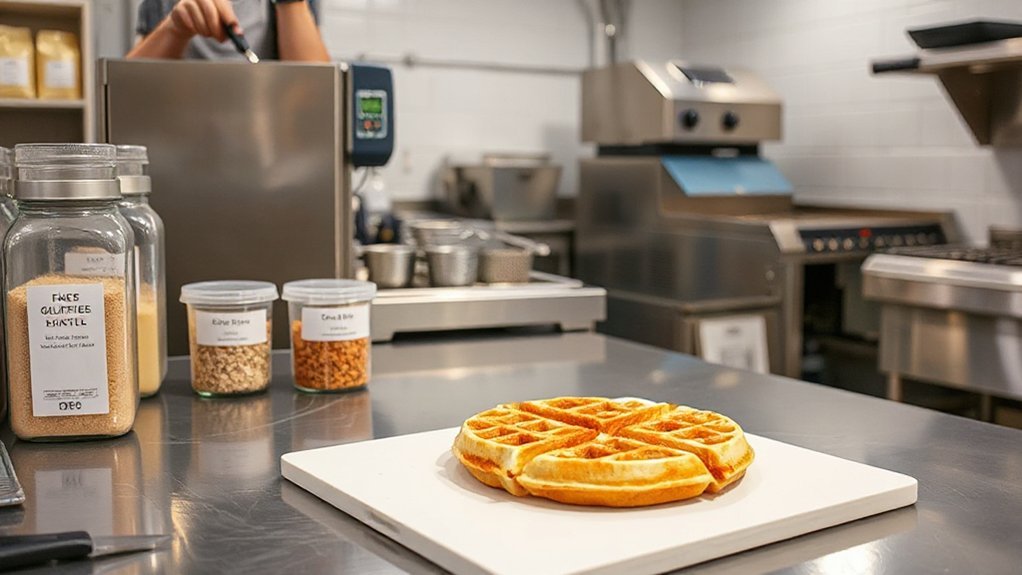
Because even tiny traces of gluten can make you sick, a celiac-safe brunch spot runs strict cross-contact controls and uses certified gluten-free ingredients. You should expect documented ingredient sourcing from reputable suppliers, clear labeling, and training that teaches staff how to prevent contamination. Practical measures include dedicated utensils, separate toasters and prep surfaces, and verified recipes so substitutions don’t introduce gluten. Staff should invite you to ask questions and record your preferences; this patient-centered approach reduces risk and improves customer experiences. Look for restaurants that keep traceability records and can explain their procedures; that transparency is grounded in best practices and minimizes ambiguity. When staff communicate confidently and consistently, your safety and dining enjoyment both improve. You can then dine with informed confidence safely.
Signs of Excellent Gluten-Free Protocols
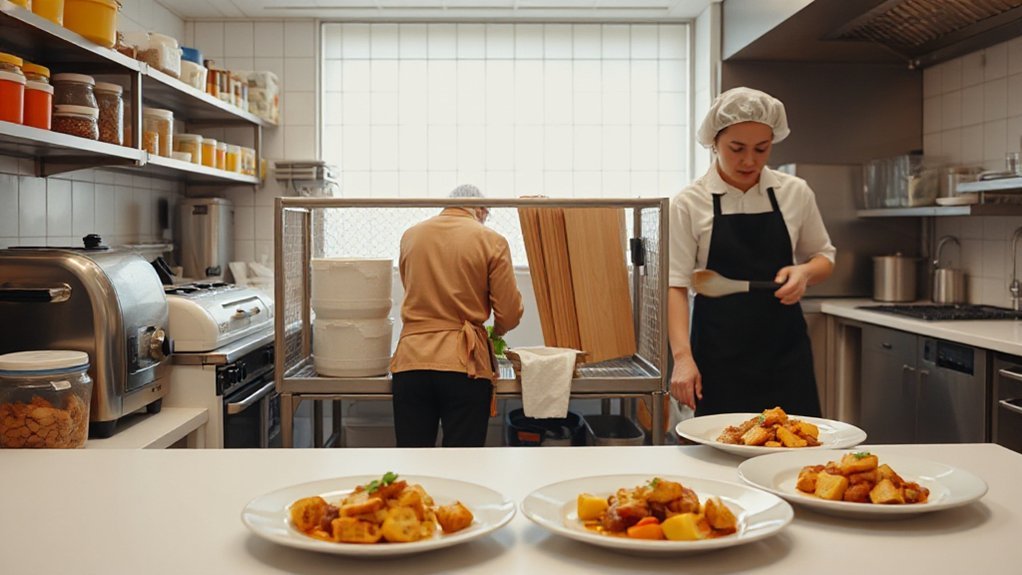
You should look for a dedicated gluten‑free menu that lists safe ingredients and cross‑contact warnings. Excellent spots use separate prep and cook areas or equipment to prevent cross‑contact. Staff training and visible certification reassure you they follow tested, evidence‑based protocols and can answer questions about your needs.
Dedicated Gluten Free Menu
If a restaurant offers a clearly labeled, dedicated gluten-free menu, it shows they’ve prioritized safety and consistency for customers with celiac disease or gluten sensitivity. You can rely on menus that note cross-contact risks, list ingredients, and highlight seasonal offerings so you know what’s fresh and safe. Expect pricing transparency and clear allergen tags; that reduces surprise costs and lets you compare options. A well-crafted menu reflects staff training and an institutional commitment to following guidelines.
- Clear ingredient lists and allergen symbols.
- Regular updates tied to seasonal offerings and inventory.
- Pricing transparency and portion or calorie notes.
Use the menu to ask focused questions and choose places that document their protocols. Prefer spots that routinely audit and share their gluten policies.
Separate Prep & Cook Areas
When restaurants maintain distinct prep and cook areas for gluten-free orders, they sharply reduce cross-contact risk and protect diners with celiac disease or sensitivity. You should look for visible separation: dedicated counters, labeled utensils, and separate storage for flours and breads. Effective ventilation design prevents airborne flour particles from migrating between zones, and clear workflow mapping shows how ingredients move without crossing paths. Practical audits often find that physical separation plus documented processes lowers contamination events. Ask to see how orders are processed and observe ticketing or plating patterns — that tells you whether theoretical measures are followed in practice. These measures are straightforward, evidence-based steps that prioritize your safety and allow you to dine with greater confidence without added anxiety and reduce uncertainty.
Staff Training and Certification
Because formal training measurably lowers cross-contact risk, ask whether both front- and back-of-house staff complete recognized gluten-free and allergen courses and get regular refreshers. You should verify certificates, written protocols, and documented drills that show staff know safe handling, labeling, and cleaning. A program tied to career advancement and training incentives encourages retention and competence. Ask how management audits knowledge during service and how mistakes are corrected. Look for transparent policies you can review before dining, and prioritize venues that publish their training standards. Clear communication from trained servers reduces your anxiety and improves safety.
- Documented certification for all roles
- Recurring competency assessments and audits
- Incentives linking training to promotion opportunities
You’ll feel safer choosing spots with documented, active training programs.
Neighborhood Cafes With Strict Gluten-Free Practices
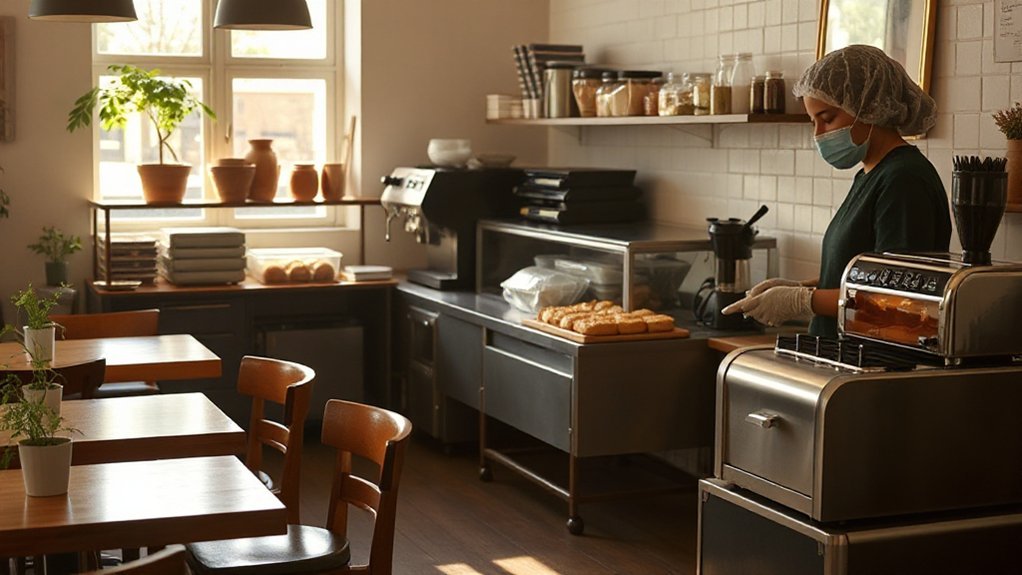
You should prioritize neighborhood cafes that use dedicated gluten-free kitchens, since evidence and best-practice guidance show physical separation reduces contamination risk. Ask whether the cafe enforces strict cross-contact protocols—separate utensils, prep surfaces, and documented staff training—as these measures consistently lower inadvertent exposure. When a cafe can demonstrate both dedicated spaces and enforceable protocols, you can choose brunch with greater safety and confidence.
Dedicated Gluten-Free Kitchens
Although many cafes now list gluten-free items, neighborhood spots that run fully dedicated gluten-free kitchens markedly reduce cross-contact and better protect people with celiac disease or severe gluten sensitivity. When you choose these kitchens, you get reliable ingredient sourcing, menu transparency, and staff trained specifically for gluten-free preparation. Owners often balance Startup Costs against long-term patient trust; effective Marketing Strategies emphasize safety and community. You’ll find peer-reviewed guidance supports dedicated facilities as the safest option for high-risk patients. Look for clear labeling, separate prep equipment, and staff knowledge when evaluating a spot. Ask about supply chains, certification, and cleaning schedules before you book. Plan ahead.
- Ingredient traceability and certified suppliers
- Menu simplicity that minimizes hidden gluten risks
- Staff training records and visible allergen policies
Strict Cross-Contact Protocols
When visiting neighborhood cafes that enforce strict cross-contact protocols, you’ll notice concrete steps that reduce risk for people with celiac disease or severe gluten sensitivity: separate prep stations and storage, dedicated utensils and toasters, clear signage and order workflows that keep gluten and gluten-free items apart, and routine cleaning with validated procedures. You should ask staff about training, documented cleaning schedules, and how they prevent airborne flour exposure during busy service. Look for menus that list certified gluten-free suppliers and ingredient traceability records; trustworthy cafes also perform regular supply chain audits and retain receipts. When staff communicate clearly and follow written protocols, you’ll get safer meals. Prioritize places that welcome questions and provide transparent documentation before you dine for peace of mind and safety.
Bakeries That Nail Gluten-Free Pastries
Because many people with celiac disease and gluten sensitivity depend on strict avoidance, bakeries that nail gluten-free pastries combine rigorous cross-contact controls with tested recipes so they’re able to deliver both safety and flavor consistently. When you pick a bakery, look for visible protocols, ingredient transparency and staff training; that reduces risk and builds trust. Pay attention to how they use flour blends and flavor pairings to recreate texture and taste without gluten. Ask whether they test batches and label items clearly. You’ll get better results when bakeries prioritize reproducible methods over novelty.
- Separate prep areas and dedicated equipment
- Published ingredient lists and batch testing
- Menu notes on texture goals and recommended pairings
You can ask for demonstration or certification when needed for reassurance.
All-Day Brunch Restaurants With Dedicated Gluten-Free Menus
If you’ve appreciated bakeries that nail cross-contact controls, you’ll find all-day brunch restaurants with dedicated gluten-free menus take those safeguards further across full-service kitchens. You’ll benefit from separate prep areas, trained staff, and written protocols that studies and patient reports link to fewer exposures. Many venues rotate Seasonal Menus, letting you enjoy fresh ingredients without added risk. Some offer curbside pickup and Delivery Options through vetted services that maintain packaging separation. Use this table to compare practical features before you go.
| Feature | Why it matters |
|---|---|
| Dedicated menu | Limits ambiguous meal components |
| Separate prep | Reduces cross-contact risk |
| Staff training | Promotes consistent practices |
| Packaging practices | Preserves safety during Delivery Options |
Ask about ingredient sourcing and allergen labeling to match your medical needs. Bring documentation if helpful.
Tips for Ordering Safely and Avoiding Cross-Contamination
While dining out, state your allergy clearly and describe the severity so staff prioritize strict cross-contact controls; ask whether the kitchen uses dedicated prep surfaces, utensils, and toasters, and request that cooks change gloves and clean work areas before preparing your meal. Carry Allergy Cards and a Pocket Translation to communicate quickly and reduce misinterpretation. Verify kitchen practices and favor simple, low-handling dishes.
- Ask for isolated prep or a dedicated fryer when possible.
- Request confirmed cleaning steps and glove changes before service.
- Choose items with single-ingredient preparation to limit exposure.
Trust staff who provide clear procedures; if you remain unsure, politely decline and seek an alternative location. Keep an emergency plan for accidental exposure and know when to access medical care.
Questions to Ask Your Server Before You Order
How do you prepare your gluten‑free options and what steps do you take to prevent cross‑contact? Ask about dedicated prep surfaces, separate fryers, and staff training. Tell them you have celiac disease or sensitivity so they understand risk tolerance. Ask which menu items are naturally gluten‑free and which require modifications. Confirm Portion Sizes so you can plan calories and leftovers or share confidently. Ask for specific Substitution Options for sauces, breads, or battered items to avoid hidden gluten. Request the cook’s name and whether orders go on a separate ticket. If staff seem unsure, ask to speak with a manager or chef. These concise, evidence-based questions help you make safer, informed choices without guessing. Keep a brief note of answers for future visits, regularly.
Best Gluten-Free Pancake and Waffle Options
Knowing how a kitchen prevents cross-contact makes choosing pancakes or waffles safer and more predictable, so use the answers you got about prep and separate equipment when you order. You should ask whether the batter uses alternative flours and if staff change utensils between gluten and gluten-free cooking. Prefer menus that list allergen-tested recipes and dedicated griddles; studies show separation reduces contamination risk. For taste, consider flavor pairings — like buckwheat with berries or almond flour with citrus — that balance texture and nutrition. Tell staff about celiac disease or severe sensitivity so they follow written protocols. You deserve reliable protection always.
Ask about dedicated batter stations, separate utensils, and allergen-tested recipes to ensure safe gluten-free pancakes or waffles.
- Confirm dedicated batter stations and griddles.
- Request staff to show separate utensils or gloves.
- Ask if recipes are tested for cross-contact reduction.
Brunch Dishes That Are Naturally Gluten-Free
You can rely on egg-based classics like omelets, frittatas, and poached eggs as naturally gluten-free, providing protein and versatile options for your dietary needs. Pairing them with fresh fruit platters adds fiber, vitamins, and a low-allergen choice that helps balance blood sugar and satiety. Ask your server about cross-contact in preparation and choose plain or minimally dressed fruit to keep the meal safely gluten-free.
Egg-Based Classics
Choose egg-based classics for a reliable, naturally gluten-free brunch foundation: eggs themselves contain no gluten and are well tolerated by most people with celiac disease or nonceliac gluten sensitivity, but cross-contamination and add-ins (breads, batter, sauces) can introduce gluten. You should ask staff about cookware, shared toasters, and batter-dipped items. Favor simple preparations—scrambled, poached, or Regional Omelettes tailored to safe fillings—and request separate prep surfaces. Shakshuka Variations are a good option when sauce ingredients are verified. Watch for hidden thickeners and soy sauces. Balance nutrition with protein and vegetables, and request clear labeling.
- Confirm separate utensils and pans for egg dishes.
- Ask about sauces, broths, and batter ingredients.
- Choose whole-food fillings like vegetables and unprocessed cheeses.
Bring questions to the server.
Fresh Fruit Platters
A colorful fruit platter makes a reliably gluten-free brunch centerpiece when prepared with care: fresh berries, melon, citrus, and stone fruit are naturally free of gluten and offer vitamins, fiber, and hydration. When you choose seasonal selections you lower cost and maximize flavor and nutrient density; local produce also reduces cross-contact risk from processed foods. Tell staff about celiac needs so they avoid shared cutting boards and utensils; ask how fruit is stored and handled. For presentation styling, arrange contrasting colors and textures to aid appetite and portion control, and label items to support dietary clarity. Offer simple accompaniments like plain yogurt or nut butter served separately. These steps keep the dish safe, satisfying, and practical for your brunch. They’re grounded in evidence-based practice.
Resources for Finding Verified Celiac-Friendly Restaurants
Where can you find reliably vetted celiac-friendly brunch spots? You should use trusted resources that prioritize verification and clear protocols. Start with certified listings and hospital or university-affiliated research, then cross-check on Community Forums and specialty Travel Guides to see patient experiences and recent updates. When contacting restaurants, ask about separate prep areas, staff training, and ingredient sourcing.
- Certified restaurant programs with third-party audits.
- Community Forums where patients report real-world safety.
- Travel Guides that verify protocols and offer local contacts.
Use these sources together, document responses, and don’t hesitate to request manager confirmation. That practical, evidence-based approach reduces risk and respects your health needs. Keep records of communication, allergy menus, and recent inspection results to support decisions when dining out or traveling with documentation.
Conclusion
You’ll feel safer choosing brunch spots that follow strict celiac protocols—separate prep areas, labeled tools, and trained staff—and you can ask managers to confirm procedures. Studies show restaurants with formal gluten-free programs reduce cross-contact incidents by about 70%, giving a clear visual of risk reduction. Use straightforward questions about batter, fryers, and sauces, favor single-ingredient dishes, and choose places with updated ingredient lists for consistent, evidence-based, patient-centered peace of mind each visit, you’ll order confidently.