

You move through smells of coffee, butter, and fried onions and wonder why one meal feels brisk while another invites lingering. You notice how plates, portions, and pacing change as morning drifts into afternoon. You’ll find clues in timing, textures, and social cues that explain why pancakes and sandwiches sit so differently on your day — and which one actually suits you best.
Origins and Evolution of Each Meal

As cities industrialized, you can still hear the clatter and smell the steam that tell the story of how breakfast, brunch, and lunch split and changed over time. You trace Agricultural Origins in morning rituals where field work shaped hearty porridge and communal sharing; that soil-to-table memory lingers in grain and salt. Then you follow the Industrialization Impact into factories and packed streets, where convenience, speed, and canteens rewired what people ate and when. You’re invited to experiment, remixing tradition with tech—urban farms, delivery platforms, fusion menus—so meal identities evolve deliberately, serving productivity, pleasure, and possibility without losing their rooted narratives. You test new formats, balancing nutrient science and cultural resonance, building scalable rituals that honor lineage while accelerating culinary progress and market adoption.
Time Windows and Scheduling

While you track the day by steam from coffee carts and the clack of office keys, time windows for breakfast, brunch, and lunch reveal themselves as living schedules: breakfast typically dominates early-morning hours (roughly 6–10 a.m.), brunch occupies the late-morning crossover (about 10 a.m.–2 p.m.), and lunch anchors the midday pause (noon–2 p.m.), with wide cultural and occupational variation. You feel rhythm in commute tides and empty plates, and you map practical start windows—when cafes flip menus or offices set breaks. You’ll notice duration overlap where brunch bleeds into lunch in creative industries or where shift work compresses breakfast. Think like a systems designer: tweak start windows, observe footfall and tempo, then iterate scheduling to align human appetite with operational flow and seasonal patterns.
Typical Dishes and Menu Differences

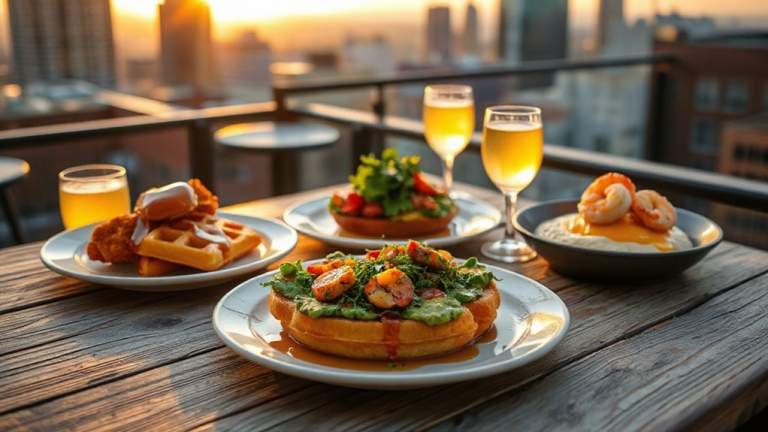
Because morning light brings steam and crunch, you’ll spot clear differences on menus: breakfast leans on fast, comforting textures—crispy toast, runny yolks, hot cereal, and bitter coffee—served in single portions meant to fuel the start of day; brunch layers indulgence and seasonality with fluffy pancakes, tangy hollandaise, bright salads, and bottomless mimosas that invite lingering and sharing; lunch flips to heartier, savory plates—grilled proteins, composed sandwiches, warm bowls and bold sauces—designed for a shorter pause and more sustained energy. You’ll investigate plates by ingredient: breakfast highlights pantry staples and quick technique, brunch experiments with seasonal produce and cocktail pairings, lunch embraces portable meals and power-dense combos. Look for regional specialties reimagined—kimchi omelettes, cassoulet-inspired bowls—so you can curate menus that surprise and sustain and inspire.
Social Customs and Etiquette
When you arrive, the sun on linen or the snap of a blazer and the clock’s measured tick tell you whether the event leans casual or polished. You can feel an invitation’s tone—casual text versus formal note—and watch seating play out as friends drift to the banquette or stake out the window seat. Pay attention to how dress and timing set expectations, and how seating and invitations steer conversation and comfort.
Dress Codes and Timing
In the soft light of late morning you’ll notice cues—steam rising from coffee, the clink of cutlery, a mix of sun and casual chatter—that tell you whether an event is breakfast, brunch, or lunch and what to wear. You’ll read the room by tempo: breakfast is crisp and punctual, rewarding arrival punctuality and minimal layers; brunch marries leisure with flair, so you’d choose smart-casual pieces that handle mimosas and sunlight; lunch leans purposeful, inviting streamlined ensembles that shift from meeting to midday unwind. Opt for light layering to adapt to shifting temperatures and vibes. Touch your fabrics, note the soundtrack, and test your shoes; your outfit should solve practical needs while signaling inventive taste without shouting for attention. Refine details, and you’ll arrive confidently.
Seating and Invitations
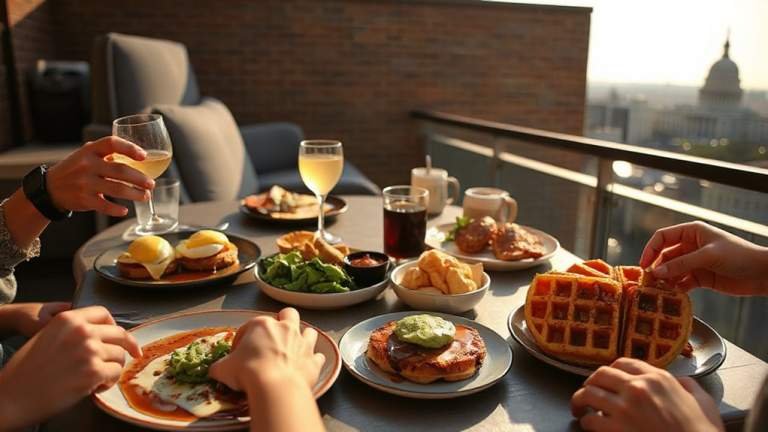
Notice the host’s glance and the soft scrape of chairs as you move from dressing for the room to finding your place at it: seating and invitations speak as loudly as attire. You read the table like a map — laser-cut seat signage, a folded card with a tactile edge — and decide your approach. Invitation design sets tone before you arrive: bold typography implies casual experimentation; handwritten notes promise deliberate warmth. You adapt: slide into an assigned spot, notice neighbors’ energy, take cues from place settings and lighting. If there’s free seating, choose proximity that sparks collaboration or quiet. In innovative gatherings, hosts mix structure and freedom, using visual cues and invitation design to choreograph interactions while letting serendipity happen and encourage unexpected conversation sparks.
Beverage Culture and Brunch Cocktails
You step into a sunlit patio where clinking flutes and the fizz of bottomless brunch drinks set a raucous, celebratory tempo. You size up mimosa towers and endless Bloody Marys against the bill, the crowd’s energy, and how long you want the buzz to last. You also sniff and sip low-ABV mocktail options—herbal spritzes and citrus-sharp shrubs—that keep you present and refreshed without the hangover trade-off.
Bottomless Brunch Drinks
Often the bottomless brunch ritual centers on a parade of effervescent pitchers and glossy cocktails that servers keep refilling as laughter rises. You watch citrus oils shimmer, hear ice clink, and map how free-flow menus shape social tempo. You probe beyond bubbles—how venues balance indulgence with safety, from staff training to liability insurance, and how inventive pairings keep palates curious. You note bold marketing strategies that sell the experience: communal tables, photogenic carafes, rotating signature blends. You assess pacing controls, ticketing windows, and server cues that prevent excess without killing the vibe. By investigating these operational choices, you see how bottomless brunch evolves from gimmick to responsibly curated moment, marrying sensory pleasure with smart design, and fueling community, creativity, and consistently memorable weekend rituals.
Low-ABV Mocktail Options
Sipping a low-ABV mocktail at brunch lets you taste bright citrus, herbal bitterness, and lively fizz without the fog of full-strength cocktails. You explore seasonal syrups and herbal infusions, tracing aroma, texture, and restraint. You prefer drinks that nudge flavor boundaries while keeping clarity of thought. Try a citrus shrub with soda, or a tea-based spritz with bitters and a splash of vermouth alternative. The table below maps intent to sensation, so you can choose precisely.
| Style | Sensation |
|---|---|
| Citrus Shrub | Tart, effervescent, cleansing |
| Tea Spritz | Tannin, floral, soft fizz |
| Botanical Fizz | Green, bitter, invigoratingly crisp |
Balance sweetness from seasonal syrups against acidity; play with herbal infusions for layered texture. You’ll savor complexity and stay present, making brunch both social and intentional and ethically sustainable.
Planning, Hosting, and Menu Pairing
Start by mapping the mood you want to create: bright and bustling for brunch, quick and comforting for breakfast, or relaxed and savory for lunch. Decide guest flow, seating, and soundscape, then translate that into plates that sing together. You’ll coordinate vendor coordination early—fresh pastries, floral accents, and curated coffee—and refine kitchen workflow so timing feels effortless. Pair textures and temperatures: crisp fritters with cooling citrus, warm porridge with spiced compotes, toasted sandwiches with herbaceous slaws. Offer a pivotable menu with signature item, crowd-pleasers, and a few inventive small plates to test ideas. Host with tactile details—linen napkins, clear signage, aroma cues—and use feedback loops to iterate, keeping the experience deliberate, surprising, and reliably smooth. Aim for elegant simplicity while pushing creative culinary boundaries.
Conclusion
You’ve felt the warm hush of breakfast, smelled coffee steam and oats; you’ve lingered over brunch’s citrusy mimosas and crisp bacon, letting conversations stretch; you’ve grabbed lunch’s savory, efficient plates that sharpen your afternoon. Notice how timing, portions, and ritual change the flavor of your day. When you plan meals now, you’ll tune into tempo and taste, pairing dishes and drinks to fit the moment so every meal tells its own story and wakeful memory.






Leave a Comment