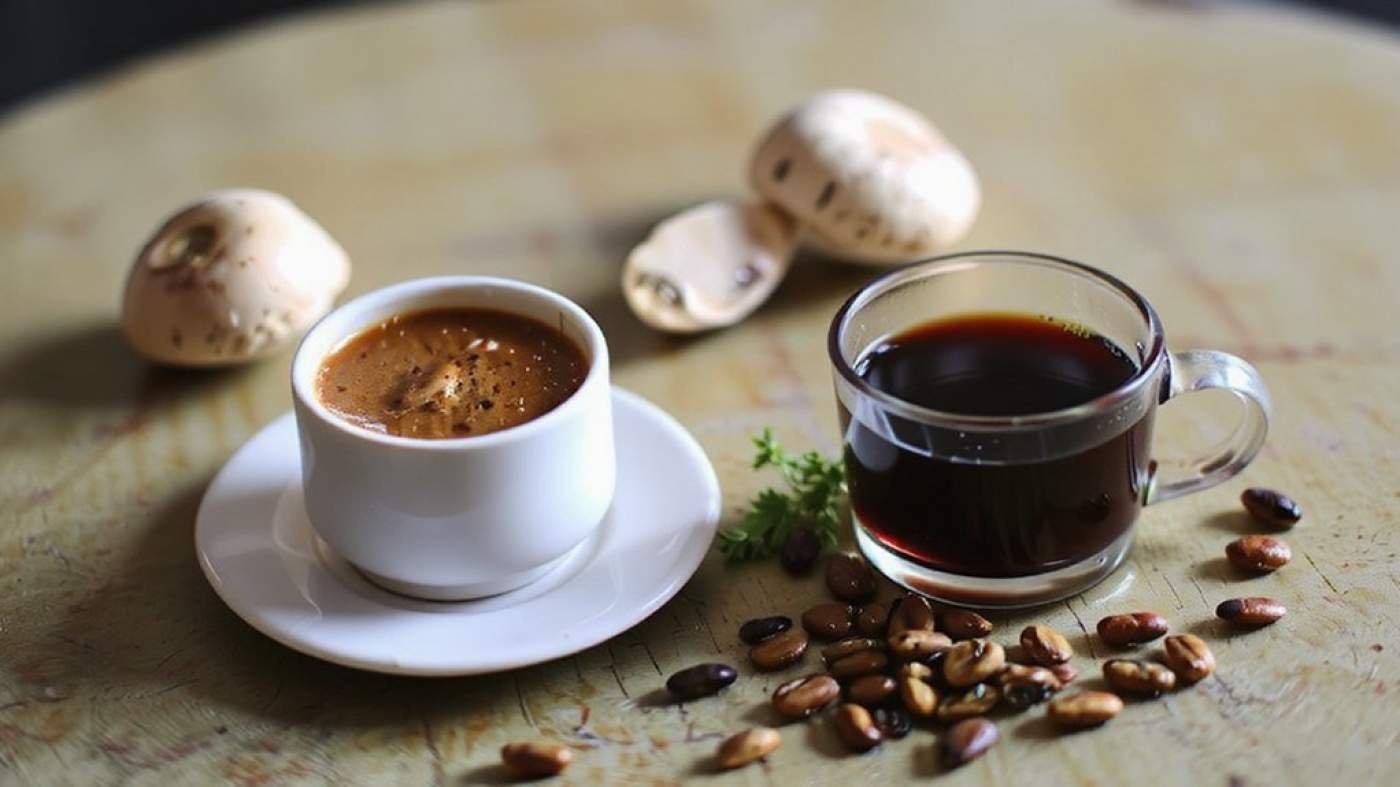

When planning brunch, you’ll weigh familiar bold coffee against lower‑caffeine mushroom blends that promise steadier focus and earthier flavor. Evidence points to different effects on alertness and tolerance, so you’ll want practical serving strategies that match guest goals and dietary needs. Consider the next factors to pick what suits your menu and clientele.
Flavor Profiles: What to Expect From Each Brew

When you sip mushroom coffee, expect an earthy, umami-forward profile with muted bitterness and lower acidity compared with regular coffee; many blends use roasted beans to mask mushroom extracts, so you’ll notice subtle nutty or chocolate notes rather than bright fruit or floral tones. You’ll assess aroma descriptors like toasted oak, mushroom earth, and gentle cocoa to guide pairing decisions for a brunch menu. Taste evaluation should be structured: note body, mouthfeel, and balance against expectations set by regular coffee. Aftertaste nuances—clean, slightly savory, lingering cocoa—inform whether to serve with sweet pastries or savory dishes. Use empirical tasting notes, solicit guest feedback, and iterate—this practical, client-centered approach helps you innovate confidently at service. Track results numerically and adjust brew ratios based on real-time preferences.
Caffeine and Stimulation: Comparing Energy Levels

Along with tasting notes, you’ll need to take into account how each brew affects alertness and stamina—mushroom blends usually deliver a different stimulation profile than straight coffee. You’ll find that regular coffee gives a quicker Peak Timing: caffeine peaks within 30–60 minutes, offering rapid alertness, while mushroom blends—often lower in caffeine and combined with adaptogenic fungi—tend to produce steadier, prolonged focus. For brunch service, prioritize guests’ needs: if they want immediate energy for a busy schedule, serve regular coffee; if they prefer gradual, sustained clarity with reduced jitteriness, offer mushroom coffee. Also plan for Crash Risk—higher-caffeine options can trigger sharper declines later. Test both with your clientele, note subjective feedback, and adjust portions to balance stimulation and satisfaction. Track responses over time as metrics.
Health Claims and Scientific Evidence

Because many vendors market mushroom coffee with broad health claims, you should evaluate those claims against current clinical evidence and known mechanisms. Look for peer-reviewed trials, meta-analyses, and mechanistic studies; prioritize products with Research transparency about extracts, dosages, and study funding. Demand Regulatory oversight signals like third-party testing and accurate labeling. Be pragmatic: limited human data often supports modest immune or cognitive effects, not cures. Use outcome-focused questions for suppliers and test batches in your service setting before promoting benefits to guests. Below is a simple comparison to help you assess claims quickly.
| Claim | Evidence strength |
|---|---|
| Immune support | Limited clinical signals |
| Cognitive boost | Preliminary trials |
| Safety | Generally safe, monitor interactions |
You should document outcomes and update menus based on data and guest feedback regularly.
Mushroom Varieties and Their Effects
You’ll want to take into account which mushroom is in your coffee because different species have different documented effects. Lion’s Mane has been associated in trials with improved cognitive function, memory, and markers of nerve growth, so you might choose it for focus and mental clarity. Chaga shows high antioxidant activity and preliminary immune-support effects, making it a practical option if you’re prioritizing antioxidant and immune benefits.
Lion’s Mane: Cognitive Boost
Research suggests Lion’s Mane (Hericium erinaceus) may support cognitive function by promoting nerve growth factor production and enhancing neuroplasticity, and you can consider it as a low-risk adjunct when looking to support memory and focus. You’ll find preliminary clinical trials and animal studies indicating benefits for mild cognitive impairment, attention, and task switching. When choosing mushroom coffee or supplements, check standardized extracts, dose ranges used in trials, and third-party testing. For brunch service, offering a Lion’s Mane blend can appeal to guests seeking creative focus without stimulants; it also pairs well as a study aid alternative to pure caffeine. Advise guests about limited long-term data, potential allergies, and interactions with medications, and encourage them to consult healthcare providers for personalized guidance with follow-up.
Chaga: Immunity & Antioxidants
Having covered Lion’s Mane for cognition, let’s look at Chaga and what it may offer for immune support and antioxidant protection. You can consider Chaga (Inonotus obliquus) as a functional ingredient with high ORAC scores and polysaccharides that research suggests may modulate immune responses. You’ll want to rely on standardized extracts when aiming for consistent effects and discuss dose, interactions, and evidence limits with clients. Note Cultural Uses across Siberia and northern Europe, where traditional tea preparations inform modern formulations, but clinical data remain preliminary. For ethical sourcing, prioritize suppliers who document Harvest Sustainability and wild‑harvest practices to avoid ecosystem strain. If you’re designing a brunch menu, pair Chaga blends with clear labeling and optional trial servings so guests can evaluate benefits safely too.
Taste Pairings and Brunch-Friendly Recipes
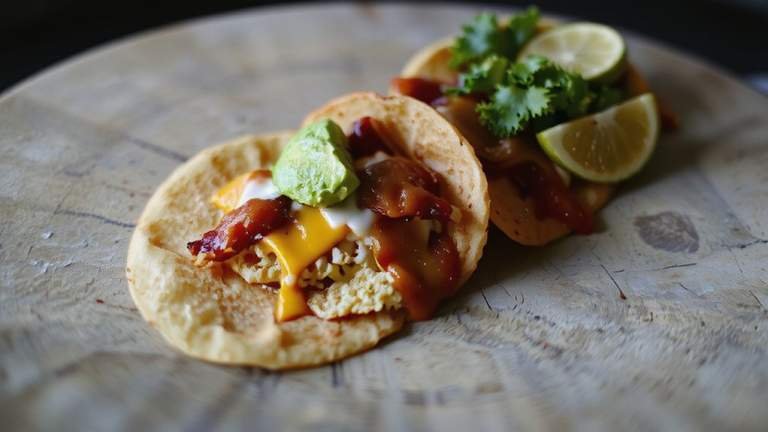
How can mushroom coffee complement your weekend brunch without overpowering the menu? You’ll pair its earthy, mellow notes with bright fruit compotes to balance flavors and support palate variety. For savory mains, choose lightly spiced egg casseroles that won’t clash; their creaminess harmonizes with mushroom coffee’s low acidity. Offer a tasting flight—pure mushroom brew, blended mushroom-regular, and classic coffee—so guests compare effects and preferences. Recommend simple recipes: citrus-berry compote for pastries, herb-forward egg bake with goat cheese, and a chilled coffee-mushroom latte for warmer days. Base choices on small-batch trials and guest feedback to refine sweetness, spice, and brew strength. You’ll document outcomes and iterate quickly to meet diverse taste expectations and improve service consistently.
Dietary Restrictions, Allergies, and Safety Considerations
Because mushroom coffee contains fungi-derived extracts and varying caffeine levels, you should screen guests for allergies, pregnancy, and medication interactions before serving. Ask about known mushroom or mold sensitivities and request allergen disclosure on your menu or RSVP form. Note that some functional-mushroom blends can interact with anticoagulants, immunomodulating drugs, or SSRIs; advise guests to check with clinicians. For pregnant or breastfeeding guests, follow pregnancy precautions and default to regular decaf or herbal options unless their provider approves mushroom products. Label ingredients, list caffeine estimates, and offer clear alternatives for those with dietary restrictions such as vegan, gluten-free, or histamine intolerance. Communicate transparently, document responses, and adapt your menu so innovation doesn’t compromise safety or client trust. Revisit policies regularly and train staff accordingly.
Brewing, Presentation, and Practicality for a Brunch
After you confirm allergies, medications, and pregnancy precautions, plan brewing and presentation to minimize risk while maximizing guest satisfaction. Choose a clear service approach: offer both mushroom and regular options side-by-side with labeled carafes, decanters, and a small sign listing ingredients and dosage guidance. Prepare an equipment checklist that includes brewer, scale, grinder, thermal carafe, and spoons, plus insulated dispensers for hot water. Batch mushroom blends to consistent strength using measured scoops; brew regular coffee to standard ratios. Provide simple garnish options—milk, plant milk, sweeteners—and individual tasting cups for curious guests. Have a cleanup strategy: designate bins for compostable grounds, sanitizing wipes, and dishwasher-safe items. You’ll reduce confusion, promote safety, and streamline service. Document steps so staff can replicate and guests can enjoy reliably.
How to Choose Based on Your Guests and Vibe
If your guest list includes caffeine-sensitive, health-focused, or adventurous eaters, lean toward mushroom blends that deliver lower caffeine and functional benefits; if most guests expect a classic jolt and familiar flavor, stick with regular coffee. You’ll assess guest preferences quickly by asking dietary restrictions and taste leanings when you invite, or offering a short menu at arrival. For ambience matching, choose service style: mushroom coffee suits calm, wellness-forward settings and pairs with light, nutrient-rich dishes; regular coffee supports energetic, conversation-driven brunches and richer pastries. Offer both when feasible, labeled with brief benefits and brew time to inform choices. This client-centered, evidence-informed approach minimizes waste, increases satisfaction, and signals thoughtful hospitality. You’ll monitor feedback and iterate menus using measurable satisfaction metrics and attendance data patterns.
Conclusion
When planning brunch, prioritize your guests: serve regular coffee if they want quick, familiar caffeine boosts and bold flavors, and offer mushroom blends when people prefer lower caffeine, steadier focus, or earthy, umami notes. Label both, give small tasting pours, and train staff to note allergies and preferences. Use evidence-based claims—don’t overpromise—track feedback, and iterate the menu so your beverage choices match guest health needs and the vibe you’re creating every time, reliably and consistently.




Leave a Comment