

If you want brunch that supports recovery, satiety and steady blood sugar, these 25 high‑protein recipes give practical options. You’ll find egg bakes, tofu scrambles, Greek yogurt parfaits and grain bowls that balance complete proteins, healthy fats and fiber. They’re portioned, batch‑friendly and adaptable to your preferences—keep going to see how they fit your routine.
Spinach and Feta Egg Bake
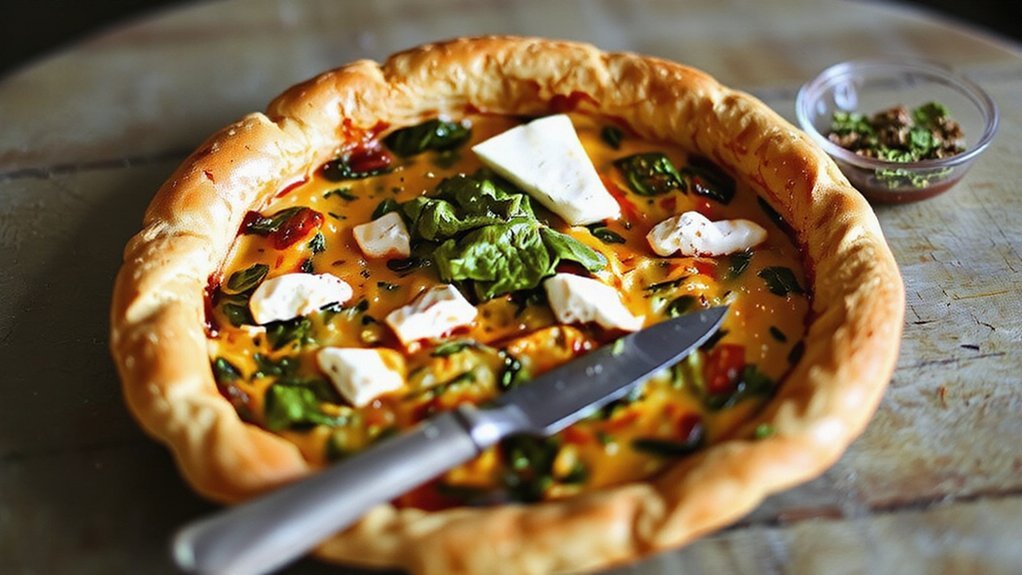
A spinach and feta egg bake gives you a high-protein, nutrient-dense brunch that’s easy to portion and reheat for busy mornings. You’ll customize it to dietary goals by adjusting egg-to-white ratios, adding Greek yogurt for creaminess, or using Egg Alternatives like silken tofu or chickpea flour to boost plant protein. Evidence supports batch cooking for adherence and satiety, so you’ll bake in a 9×13 pan for even cooking and divide portions into containers. Consider Crust Variations—almond flour crust for lower carbs or whole-grain filo for texture—to match macro targets and culinary curiosity. You’ll season conservatively, test doneness with a thermometer (165°F in center), and label servings for convenient, consistent intake across your week. Adjust portions based on hunger, training load, and personal preferences periodically.
Smoked Salmon and Avocado Toast

You’ll get a solid boost of complete protein from smoked salmon plus heart-healthy monounsaturated fats and fiber when you use avocado and whole-grain toast. For quick assembly, toast the bread, mash or thinly slice avocado, and top with pre-sliced salmon and a sprinkle of salt so you can plate in minutes. Brighten flavors with lemon, capers, dill or thin red onion and a grind of black pepper to balance richness and saltiness.
Protein and Nutrients
While keeping brunch simple, smoked salmon and avocado toast delivers a compact, evidence-backed nutrient package: smoked salmon supplies about 18–20 g of high-quality protein per 100 g plus EPA/DHA omega‑3s and vitamin B12, while mashed avocado adds monounsaturated fats, fiber, potassium, and vitamin E—together promoting satiety, muscle repair, and cardiovascular health. You can optimize amino balance by pairing the salmon’s complete protein with whole-grain toast; healthy fats and fiber slow digestion, improving absorption enhancers like fat‑soluble nutrient uptake. This combo supports recovery and steady energy while reducing appetite.
- Protein density: ~18–20 g/100 g supports muscle repair.
- Omega‑3s + monounsaturated fats: cardiovascular and anti-inflammatory benefits.
- Micronutrient synergy: B12, vitamin E, potassium, and fiber aid metabolic function.
Use it as a nutrient-forward habit.
Quick Assembly Tips
When you assemble smoked salmon and avocado toast, work in an order that preserves nutrients, texture, and convenience: toast whole-grain bread first so it cools slightly while you mash a ripe avocado just enough to keep some chunk for mouthfeel, then thinly slice or flake the salmon and portion ~50–75 g per serving to hit protein goals without overpowering the bread. Prioritize workflow: set out toppings, dressings, and plateware before toasting so you avoid overcooking. For consistency and reduced waste, use Batch prepping—portion salmon into single servings and store in airtight containers. Use Time saving hacks like pre-sliced lemons, a handheld masher, and a toaster timer. Test one batch to refine timing for texture and protein balance. Adjust portions to meet individual energy needs.
Flavor Pairing Ideas
How can you layer flavors to make smoked salmon and avocado toast both satisfying and balanced? You’ll use contrast and complementary notes: fatty avocado, briny salmon, bright acid, and a touch of sweet-spicy. Try precise pairings that research and taste-testing support.
- Citrus + Honey Ginger: squeeze lemon, drizzle Honey Ginger-infused oil for acidity with warm sweetness that cuts richness.
- Herbs + Texture: add dill, chives, and toasted seeds to introduce aroma and crunch, enhancing protein satiety.
- Caramelized Onions + Acid: top with thin Caramelized Onions and a splash of rice vinegar to build umami and balance oiliness.
You’ll plate intentionally, tasting as you go to calibrate salt, acid, and sweetness. Adjust proportions to suit dietary needs and innovate within portion control.
Greek Yogurt Berry Parfait With Granola

For a high-protein parfait, choose Greek yogurt (about 10–12 g protein per 100 g) and add berries for fiber and antioxidants to help with satiety and micronutrient needs. Layering matters: alternate thin layers of yogurt and fruit so the granola sits on top longer and stays crunchy while portions stay controlled. Pick granola with at least 6–8 g protein per serving or use a nut-and-seed mix, and watch added sugars by selecting varieties with roughly ≤8–10 g sugar per serving.
Protein and Nutrition
Although simple, a Greek yogurt berry parfait delivers a reliably high-quality protein boost that supports satiety and muscle repair, so you can start the day energized. You’ll get 15–20 grams of complete protein per serving when you choose strained Greek yogurt, and adding nuts raises leucine for synthesis. Consider Protein Timing: distributing protein across meals enhances recovery and appetite control. If you have preexisting kidney issues, discuss Protein and Kidney Health with a clinician before increasing intake. Practically, tweak toppings to meet caloric goals keeping micronutrients dense. For innovation, experiment with fermented or plant-protein mix-ins to diversify amino acids. Try adjustments:
- Add chia seeds for omega-3s and texture.
- Swap in skyr for higher protein.
- Top with walnuts for vitamin E.
Layering Technique Tips
Why layer components thoughtfully? You’ll enhance mouthfeel and preserve crunch by planning Texture sequencing and establishing Moisture barriers. Start with a dense, protein-rich Greek yogurt base to support fruit and granola above. Add berries in a single even layer so juices stay contained; stir-ins like citrus zest boost flavor without increasing seepage. Create thin moisture barriers—think a smear of strained yogurt or a light honey ribbon—between wet fruit and crunchy elements to delay sogginess. Use alternating layers: yogurt, fruit, barrier, crunchy topping, repeating to control bite contrast. Test portion height for stability and serve within 30–45 minutes to maintain intended textures. These evidence-based steps let you customize nutrition and sensory impact for client preferences. Adjust layer proportions based on feedback and measurable satiety markers.
Best Granola Choices
Choose granolas that balance crunch retention, nutrient density, and palatability so your parfaits keep the texture and satiety you planned with your layering strategy. You’ll prioritize mixes with whole grains, minimal added Sugar Content, and visible seeds for fiber and protein synergy with Greek yogurt. Assess ingredient lists and serving sizes, and consider custom blends to control macros and sensory contrast. Choose Nut Varieties like almonds or walnuts to add healthy fats and structure; toast them lightly to preserve crunch.
- Store-bought low-sugar blend – reliable texture, check Sugar Content on label.
- DIY mix – full control over Nut Varieties and portioning.
- Seed-forward option – maximizes nutrient density, minimal added sugar.
Test combinations with berries for flavor balance and client preferences, iteratively tested.
Protein-Packed Overnight Oats With Chia
Prep a jar the night before and you’ll have a convenient, nutrient-dense breakfast ready to go. You’ll combine rolled oats, a high-quality protein powder or Greek yogurt, and chia seeds to leverage Chia Gelation, which thickens texture and prolongs palatability. Aim for a 3:1 liquid-to-oats ratio, monitor consistency, and adjust to preference. Add fresh fruit and nuts for micronutrients and satiety; portion control keeps calorie targets precise. Store jars refrigerated; proper sealing enhances Shelf Stability for up to 3–4 days, supporting meal prep routines. You’ll benefit from steady protein distribution across mornings, aiding recovery and appetite regulation. Experiment with flavors—cocoa, matcha, and citrus—while tracking tolerance and enjoyment to optimize adherence. Adjust sweetness, prioritizing whole-food ingredients and measurable nutrient goals for consistency and long-term results.
Turkey Sausage and Sweet Potato Hash
You’ll find a concise ingredient list with practical swaps for lower-fat or plant-based options so you can match dietary needs and pantry availability. I’ll give realistic cooking times and time-saving tips—like par-cooking sweet potatoes and using a hot skillet to get even browning—so you can hit the mark on texture and doneness. Finally, you’ll get evidence-based serving ideas and sides that pair protein with fiber (eggs, sautéed greens, or Greek yogurt) to support steady energy and satiety.
Ingredients and Swaps
When building a turkey sausage and sweet potato hash, focus on ingredients that boost lean protein, complex carbs, and fiber so your meal supports satiety and blood-sugar stability. Use turkey sausage from sustainable sourcing and choose sweet potatoes plus seasonal swaps like root veggies to vary micronutrients. Keep beans or lentils for extra protein and fiber without excess fat. Pair with aromatics and a modest amount of healthy fat for absorption.
- Swap: chickpeas or white beans for texture and added protein.
- Veg: diced parsnip, beets, or rutabaga as seasonal swaps to diversify carbs.
- Protein: opt for lean turkey, turkey breast crumbles, or plant-forward blends for sustainability.
You’ll batch portions for easy reheating and portion control. Label ingredients for allergen clarity quickly.
Cooking Time and Tips
Estimating cook times helps you plan a reliable, nutritious hash: diced sweet potatoes (½-inch) take about 12–15 minutes to brown and become tender over medium–high heat, turkey sausage needs to reach 165°F (about 6–8 minutes sliced or crumbled) and extra-firm beans or lentils only need to be warmed through. You’ll sear potatoes first for caramelization, then add sausage to finish cooking without drying; stir less to preserve browning. Use a probe thermometer to confirm safe internal temperatures and save a simple log for consistent results. Respect brief Resting Times after removing meat to redistribute juices. Prioritize Tool Maintenance—clean pans promptly, sharpen knives, and check nonstick coatings—to guarantee efficiency, safety, and reproducible texture in each innovative batch for home cooks and culinary professionals alike now.
Serving Ideas and Sides
Having mastered timing and searing, you can focus on pairing the turkey sausage and sweet potato hash with sides that boost protein, fiber, and micronutrients. Choose complements that balance texture and flavor while supporting satiety and recovery. Consider lean dairy, legumes, and fermented condiments to diversify gut-friendly bacteria and micronutrient intake.
- Greek yogurt dip with herbs — adds 15 to 20 g protein, calcium, and a cooling contrast to spicy chutneys.
- Lentil and quinoa salad — boosts fiber and complete protein, toss with lemon and olive oil for brightness.
- Quick cabbage zesty slaws — use apple cider vinegar and mustard for crunch, vitamin C, and digestive support.
Keep portions evidence-based and adaptable to preferences. Adjust seasoning and portions based on individual goals.
Cottage Cheese and Fruit Bowl
Cottage cheese bowls give you a simple, high-protein brunch that’s easy to tailor to your goals: low-fat cottage cheese typically provides about 12–14 g of protein per 100 g, so a one-cup serving (roughly 200 g) will supply around 24–28 g of protein to keep you satisfied. You can innovate by pairing it with Seasonal Fruits for vitamins, fiber and natural sweetness while keeping protein high. For balance, add a tablespoon of chia or hemp seeds for healthy fats and extra amino acids. Use Presentation Tips like layering colors, textured spoons and microgreens to increase appeal and adherence. Measure portions, track responses, and adjust toppings to match satiety, energy and taste goals—practical, evidence-informed steps you can apply immediately. Rotate fruits seasonally to sustain variety.
Quinoa Breakfast Bowl With Roasted Veggies
You’ll get a balanced hit of complete protein and micronutrients by pairing quinoa with roasted vegetables—quinoa supplies all nine essential amino acids while veggies add fiber, vitamins, and antioxidants. Use high-heat roasting and minimal oil to concentrate flavors and preserve nutrients, tossing veggies halfway through for even browning. Adjust portions and seasonings to meet your protein targets and digestion comfort.
Protein and Nutrients
How much muscle-building fuel can a quinoa breakfast bowl deliver? You get robust Amino Profiles when quinoa meets legumes or Greek yogurt, supporting repair and growth while fiber and protein enhance Satiety Signaling to curb midmorning hunger. Focus on measurable swaps and client goals:
- Protein density: combine quinoa with legumes or yogurt for complete amino acids.
- Micronutrients: add greens, seeds, and vitamin B sources to support energy.
- Practical satiety: include fiber-rich veggies to prolong fullness and stabilize glucose.
Evidence supports blending plant and dairy proteins to optimize amino acid balance; personalize portions to training load and tolerance. Track outcomes and iterate for continuous nutritional gains. Use measured portions, simple swaps, and seasonal produce to maximize protein, micronutrient variety, and sustainable innovation consistently over time.
Roasting Techniques
Roasting vegetables concentrates flavor, improves texture, and preserves more heat-stable nutrients—so you’ll get a savory, satisfying component for your quinoa bowl with minimal fuss. Use uniform cuts, toss with a light coating of oil, salt, and a touch of acid to promote even Maillard development and color. Roast at 400–425°F (200–220°C) to balance caramelization and moisture retention; higher heat speeds browning but can dry delicate items. If your oven has convection, reduce temperature 20°F and benefit from more consistent air flow—Convection benefits include faster, crisper results and shorter cook times. Plan timings by density: root vegetables 25–35 minutes, peppers and zucchini 15–20. Finish with lemon, herbs, or a protein-rich topping to integrate flavors and textures. You’ll track doneness visually and by fork tenderness too.
Tofu Scramble With Kale and Mushrooms
Offering a savory, high-protein alternative to eggs, tofu scramble with kale and mushrooms gives you a complete, plant-forward brunch that’s quick to prepare and easy to adapt. You’ll choose firm or extra-firm tofu and press briefly, then crumble for a textured base; selecting from different tofu varieties tailors protein content and mouthfeel. Sauté mushrooms and kale with garlic, turmeric, and nutritional yeast for color and umami, using safe mushroom foraging knowledge or reputable market suppliers. Taste and adjust seasoning; pair with whole-grain toast or roasted sweet potato. Practical tips:
- Press tofu 15 minutes for firmer texture.
- Cook mushrooms until browned to concentrate flavor.
- Add lemon or hot sauce to brighten and personalize.
Record preferences to replicate results and refine texture consistently.
Black Bean and Egg Breakfast Tacos
If you liked the plant-forward protein in the tofu scramble, black bean and egg breakfast tacos give you a quick, higher-protein option that’s easy to tailor to taste and needs. You’ll combine eggs and black beans for complementary amino acids and reliable satiety; research supports pairing legumes and eggs to boost protein quality. Build a base of warmed corn tortillas, sautéed peppers, and a citrusy salsa; add eggs scrambled or fried to preference. Use Regional Variations to experiment—add chiles and queso in Mexico-style or pickled cabbage for a Baja twist. For clients on tight budgets, use Budget Hacks like canned beans, bulk spices, and repurposed roasted vegetables. Plate with herbs and lime; you’ll get efficient, flavorful protein to power your morning every day reliably.
Almond Butter Banana Protein Toast
You can boost protein and balance your macros by spreading 2 tablespoons of almond butter (about 7 g protein) and mixing in a scoop of protein powder or choosing a dollop of Greek yogurt for an extra 15–20 g. Toast a slice of whole-grain bread, spread the mixture, and top with sliced banana—this assembly takes under five minutes. Finish with chia or hemp seeds and cinnamon, and pair it with berries or a small salad for added fiber and micronutrients.
Protein and Macros
While often dismissed as a simple toast, almond butter banana protein toast can help you hit morning protein targets and supply a balanced mix of carbs and healthy fats that support satiety and muscle protein synthesis. You’ll get about 12–18 g protein depending on bread and almond butter, making it useful for Protein Timing around workouts or morning fasting. Aim to reach the Leucine Threshold by choosing a higher-protein spread or adding powdered protein for anabolic stimulus. Consider these practical adjustments:
- Swap to high-protein bread or add protein powder to almond butter for extra leucine.
- Pair with Greek yogurt or eggs to boost total protein and improve recovery.
- Track macros to align intake with energy needs and body composition goals precisely.
Quick Assembly Steps
Toast two slices of high-protein bread until golden to create a sturdy base that resists sogginess. While toasting, line your workspace and arrange almond butter, sliced banana, protein powder, a small bowl for mixing, and a knife—this tool organization reduces delays and contamination. Stir a scoop of protein powder into a tablespoon of warm water or Greek yogurt to make a spreadable boost; studies show soluble mixing improves texture and protein availability. Spread almond butter evenly, then layer banana slices using gentle pressure so the toast stays intact. Use consistent slice thickness for uniform bites. Follow a simple prep sequencing: toast, mix, spread, arrange, serve. You’ll save time, maintain nutrient density, and deliver a reliable, repeatable brunch option. Adjust portions per goals and preferences.
Toppings and Pairings
When building toppings and pairings, prioritize combos that increase protein, fiber, and micronutrients while minimizing added sugars. For your almond butter banana protein toast, layer almond butter, sliced banana, and a sprinkle of hemp or chia for omega-3s and extra protein. Add contrast: a drizzle of spicy aioli balances sweetness and stimulates appetite; a few pickled shallots provide acid and probiotics. Keep portions client-centered—measure toppings to control calories and macros. For variety and nutrient density, rotate Greek yogurt dollops, smoked tofu crumbles, or cacao nibs. Use the list below to iterate quickly and measure outcomes.
- Protein-forward: hemp seeds, Greek yogurt, or smoked tofu.
- Texture/acid: pickled shallots, citrus zest, or crisp apple.
- Flavor lift: spicy aioli drizzle, cinnamon, or toasted seeds regularly.
High-Protein Pancakes With Cottage Cheese
Add cottage cheese to your pancake batter to boost protein — about 12–14 g per ½ cup — which helps you feel fuller longer and supports muscle maintenance after morning workouts. You’ll blend cottage cheese with eggs, oats, and a touch of baking powder for a quick, high-protein batter that stays tender. This method yields pancakes with texture contrast: creamy pockets inside a golden exterior, a variation clients often find kid approved. Measure ingredients for consistent macronutrients and weigh portions if you track intake. Serve with fresh fruit, nut butter to add micronutrients and energy. If you want higher protein, swap half the oats for whey or pea protein. Try a small batch or two; then adjust texture by altering liquid in 1–2 tbsp.
Tempeh Breakfast Bowl With Sriracha Glaze
If you liked the protein lift from cottage cheese pancakes, try a savory tempeh breakfast bowl with a Sriracha glaze to move toward a plant-forward, higher-fiber morning option. You’ll get concentrated protein from tempeh fermentation, predictable texture, and an umami boost when you sear cubes and deglaze with low-sodium soy and Sriracha. Build bowls around whole grains, quick-pickled veg, and a creamy herb tahini to balance heat. Focus portions on 20 to 30 g protein per serving; that’s practical and evidence-aligned for satiety and muscle support. Try these simple innovations:
Swap cottage cheese pancakes for a savory tempeh bowl—Sriracha-glazed, high-fiber, 20–30g protein
- Quick marinate: tamari, maple, garlic for 15 minutes.
- Crisp-sear: high heat for 6 to 8 minutes for texture.
- Sriracha glaze: reduce with rice vinegar to finish.
You’ll enjoy savory, sustainable mornings.
Chickpea Flour Savory Omelette
A chickpea flour savory omelette gives you a concentrated plant-protein boost—typically around 12–15 g per serving—plus fiber, iron, and B vitamins to support satiety and muscle recovery. To get the best texture and nutrient uptake, whisk chickpea flour with water or unsweetened plant milk, a tablespoon of oil for fat-soluble vitamin absorption, and a squeeze of lemon or chopped tomatoes for vitamin C to help iron absorption. Cook over medium-low with a well-oiled pan, cover briefly to set the top, and flip carefully with a wide spatula once the edges are firm to keep it intact.
Protein and Nutrition Profile
Nutrition matters: a chickpea-flour savory omelette gives you a concentrated plant-protein and fiber boost that’s practical for building and sustaining meals. You’ll get roughly 6–8 grams of protein per serving from chickpea flour, plus resistant starch and soluble fiber that support steady glucose and strong satiety signals. Combining it with varied toppings improves amino balance and micronutrient density without turning to animal products. As a result, you can design brunches that meet protein targets and keep energy stable.
- Protein density: maximizes grams per 100 kcal, efficient for muscle support.
- Fiber interplay: slows absorption, enhances fullness and glycemic control.
- Micronutrient pairing: adds iron, B vitamins, and healthy fats for uptake.
You’ll find this profile ideal when you prioritize efficient, plant-forward protein strategies daily.
Cooking and Flip Tips
When you let the batter hydrate and control pan temperature, the omelette will set more reliably and flip without tearing. You’ll rest batter 10–15 minutes, heat a nonstick skillet to medium-low, and test with a drop of water. Aim for steady heat: consistent Pan Temperature prevents rapid browning and undercooked centers. Use a thin, flexible spatula; adjust the Spatula Angle to slide beneath edges before lifting. Practice one confident flip or fold, avoiding multiple pokes. Below is a quick reference:
| Step | Action |
|---|---|
| Rest | Hydrate batter 10–15 min |
| Heat | Medium-low pan temp |
| Test | Water droplet check |
| Flip | Spatula angle 30–45° |
Track outcomes and tweak resting time, hydration ratio, and Pan Temperature to suit your stove and personal texture preference, daily practice.
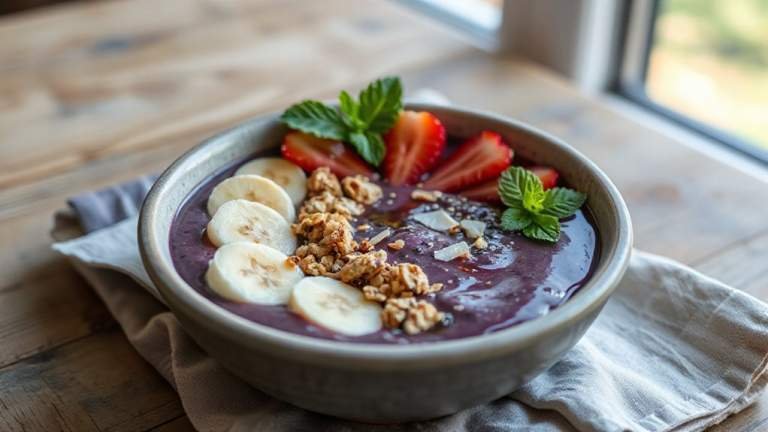
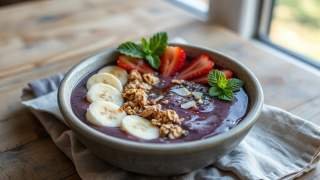
Protein Smoothie Bowl With Hemp Seeds
Blending fruit, Greek yogurt or a plant-based milk with hemp seeds gives you a creamy, nutrient-dense smoothie bowl that supplies complete plant protein and a useful dose of omega-3/omega-6 fats. You’ll get about 10–12 g protein per serving when you add two tablespoons of hemp seeds and a scoop of protein powder. Focus on Hemp Sustainability by choosing organic, local hemp to support low-impact sourcing. Check the Omega Profile on labels to balance intake. Top with nuts, berries, and chia for texture and micronutrients. Experiment with savory variations for innovation. You’ll feel sustained energy and muscle support after a balanced bowl daily. Practical tips:
- Use frozen banana for creaminess.
- Add spinach for greens without altering taste.
- Pre-portion toppings for quick assembly.
Smoked Turkey and Spinach Frittata
Gathering smoked turkey, fresh spinach, eggs, and a modest amount of cheese makes a frittata that’s high in complete protein, rich in iron and vitamin K, and easy to portion for meal prep. You’ll preheat an oven-safe skillet, minding pan selection to guarantee even heat; nonstick or seasoned cast iron work well. Sauté spinach briefly with minimal oil, add chopped turkey, whisk eggs with a splash of milk, then pour and cook gently on stovetop before finishing under the broiler. Temperature control matters: moderate stovetop heat prevents curdling, brief high broil sets the top. Portion into containers for predictable macros, label with reheating instructions, and adjust seasoning or add herbs to innovate while keeping nutrient targets. You’ll track outcomes and refine recipes each week.
Lentil and Avocado Breakfast Salad
After a protein-rich frittata, try a lentil-and-avocado breakfast salad that pairs plant-based protein and fiber with heart-healthy monounsaturated fat to keep you full through the morning. You’ll get a minimalist, evidence-based meal that supports steady glucose and satiety; cooked lentils provide about 9 g protein per half cup while avocado adds creamy fat and micronutrients. Focus on Textural Balance—firm lentils, ripe avocado, crisp cucumber, and toasted seeds—to make each bite satisfying. Brighten it with a simple Citrus Dressing of lemon, olive oil, mustard, and a pinch of salt. You can batch-cook lentils and prepare dressing ahead for busy mornings. It’s adaptable and efficient. Useful tweaks below:
- Use French lentils for firmness.
- Add herbs for freshness.
- Portion into mason jars for grab-and-go.
Protein Waffles With Greek Yogurt Topping
Combining a higher-protein batter with a tangy Greek yogurt topping gives you a portable, satiating brunch that supports steady blood sugar and keeps hunger at bay; studies show higher-protein breakfasts increase fullness and reduce later energy intake. You’ll use whey or pea protein, whole-grain flour, and egg whites to boost protein without heavy fat. Cook waffles crisp to create Texture Contrast with creamy yogurt, fresh fruit, and a drizzle of honey or nut butter for flavor and extra satiety. Portion and freeze extras flat between parchment for easy grab-and-go meals; employ Microwave Reheating briefly to restore warmth, then crisp in a toaster if desired. Track how different toppings affect your appetite and energy, and adapt recipes to your goals. Record results and refine choices.
Breakfast Burrito With Eggs and Black Beans
Building a breakfast burrito with eggs and black beans gives you a high-protein, fiber-rich meal that supports steady energy and satiety through the morning. You’ll combine scrambled eggs, black beans, peppers, and avocado in a whole-grain wrap to deliver protein, fiber, and healthy fats while keeping calories transparent. Use simple cooking methods and measured portions to make this scalable for clients.
- Test flavor: apply Spice Customization for incremental taste trials.
- Measure: use Portion Control to match goals and monitor intake.
- Swap: try egg whites or extra beans to adjust protein density.
You’ll serve a practical, evidence-based option that’s flexible, client-centered, and ready for iterative innovation. Iterate seasoning, portion sizes, and ingredient ratios based on feedback and measurable outcomes for continuous improvement.
Salmon and Quinoa Power Bowl
Pick a serving of baked or grilled salmon atop a bed of cooked quinoa and mixed greens to deliver a balanced, high-protein bowl that’s rich in omega-3s, complete amino acids, and fiber. You’ll portion about 4–6 ounces of salmon and a cup of cooked quinoa to meet typical protein targets while keeping calorie control. Dress the fish with a Lemon Dill vinaigrette for brightness and pair it with an Avocado Smash to add healthy fats and creamy texture. You’ll rotate vegetables, use seasonal produce, and scale portion sizes to match goals. This bowl supports satiety, recovery, and nutrient density based on current guidelines, and you can customize flavors to maintain adherence and culinary interest. Adjust sodium and oil to fit medical or performance needs.
Peanut Butter and Chia Seed Overnight Oats
Prepping peanut butter and chia seed overnight oats gives you a convenient, nutrient-dense breakfast that’s high in protein, fiber, and healthy fats to support satiety and steady blood glucose. You’ll mix rolled oats, Greek yogurt or a plant-based protein, chia seeds, peanut butter, and milk, then refrigerate overnight; this simple formula yields a meal with proven macronutrient balance. Focus on sourcing ethics when choosing nuts and dairy, and test small batches to assess shelf stability across refrigeration. Use the list below to innovate flavor, texture, and macro tweaks:
Prep peanut butter–chia overnight oats for a protein-rich, fiber-packed grab-and-go breakfast—tweak flavors and test refrigeration
- Swap protein powder for Greek yogurt to boost leucine.
- Add citrus zest and cinnamon for perceived sweetness without sugar.
- Layer fruit for texture contrast and nutrient timing.
Prepare portions for grab-and-go servings.
Cottage Cheese Banana Pancakes
Combining cottage cheese, mashed banana, eggs, and a binder like oat or almond flour yields quick, high-protein pancakes that keep you full and support post‑exercise recovery—dairy proteins deliver a favorable leucine content for muscle protein synthesis. You’ll blend components until smooth, cook low and slow to retain moisture, and portion to align with your protein target. Swap full-fat or low-fat cottage cheese depending on energy needs, and add cinnamon or vanilla for palatability without excess sugar. Note Cultural Origins vary — simple pancakes appear across traditions — but this version prioritizes macronutrients and practicality. Use Kitchen Gadgets like a small blender or nonstick pan to save time and guarantee consistent texture. Track portions, adjust binders for tolerance, and iterate based on results weekly adjustments.
Savory Oatmeal With Poached Egg and Parmesan
Although oatmeal often shows up as sweet, a savory version topped with a poached egg and grated Parmesan gives you a balanced, high‑protein brunch that’s practical for recovery and satiety. You’ll swap water for a Broth Infusion to boost protein and electrolytes, then simmer steel‑cut oats briefly for texture. The poached egg adds bioavailable protein and healthy fat; the Parmesan functions as an Umami Garnish to increase palatability without excess sodium. Focus on portion, timing, and simple swaps to meet goals. Practical strategy: prep oats, poach eggs to order, and keep toppings measured. Evidence supports combining carbs and protein post‑exercise to aid repair. Try this savory approach when you want innovation without complexity, and easy scaling options.
- Broth base
- Poached egg protein
- Umami Garnish
Almond Flour Blueberry Muffins With Whey
Baking almond flour blueberry muffins with added whey gives you a portable, high‑protein brunch option that supports muscle repair and satiety without relying on refined flours. You’ll use almond flour and whey concentrate to boost protein while keeping carbs moderate; studies show higher-protein breakfasts help reduce postprandial hunger. For practical batching, measure ingredients by weight, fold berries gently, and monitor bake time to prevent dryness. If you’re advising clients or launching a product, provide clear Allergen labeling, list whey and tree nuts, and trial shelf-life. For commercial scaling, standardize mixing, use temperature-controlled ovens, and run pilot runs to verify texture and protein retention. These steps help you deliver an innovative, evidence-based muffin your clients can trust while maintaining taste and practical serving strategies daily.
Seared Tempeh Breakfast Sandwich
You’ll sear sliced tempeh to create a savory, high‑protein breakfast sandwich that’s practical for clients seeking a plant‑forward option. You’ll press and slice tempeh, apply proven Marinade Techniques—soy, vinegar, smoked paprika—then sear until caramelized. Offer assembly options: whole-grain bread, avocado, pickled onions, and a yogurt-based spread for extra protein. Emphasize Portability Tips for clients: wrap in foil, use insulated containers, or pack components separately for last-minute assembly. Recommend portion sizes based on client goals and cite scalable protein targets. Use quick tests for doneness and texture so practitioners can teach clients efficiently.
Sear marinated tempeh, assemble on whole‑grain bread with avocado, pickles, and yogurt spread—portable, protein‑packed breakfast
- Quick sear for texture
- Make-ahead Marinade Techniques
- Portability Tips: wrap, pack
Protein Crepes With Ricotta and Berries
When you swap traditional crepes for a higher‑protein batter and fill them with ricotta and berries, you get a balanced, portable brunch that supports muscle maintenance and satiety. You’ll use whey or Greek yogurt in the batter to boost protein while keeping crepes tender, and you’ll prioritize ricotta sourcing from grass‑fed or low‑moisture options for texture and nutrient density. For bright flavor and controlled sugar, practice simple berry maceration with lemon and a touch of maple, then portion for meal prep. Assemble crepes with measured servings to hit your target protein and calories, and label containers for grab‑and‑go days. This client‑centered approach blends evidence on protein timing with practical steps so you can innovate without sacrificing efficiency. Adjust fillings based on preferences and goals.
Conclusion
You’ll leave this collection with practical, evidence-based options that help you meet protein needs, support energy and recovery, and fit your routine. Pick recipes that match your preferences, swap plant-forward ingredients when needed, and batch-cook to save time. Use portion cues and simple prep tips to stay consistent. With these adaptable brunches, you’ll hit your goals without sacrificing flavor or convenience—making high-protein mornings realistic for your lifestyle. Adjust servings and timing to suit your schedule.




Leave a Comment