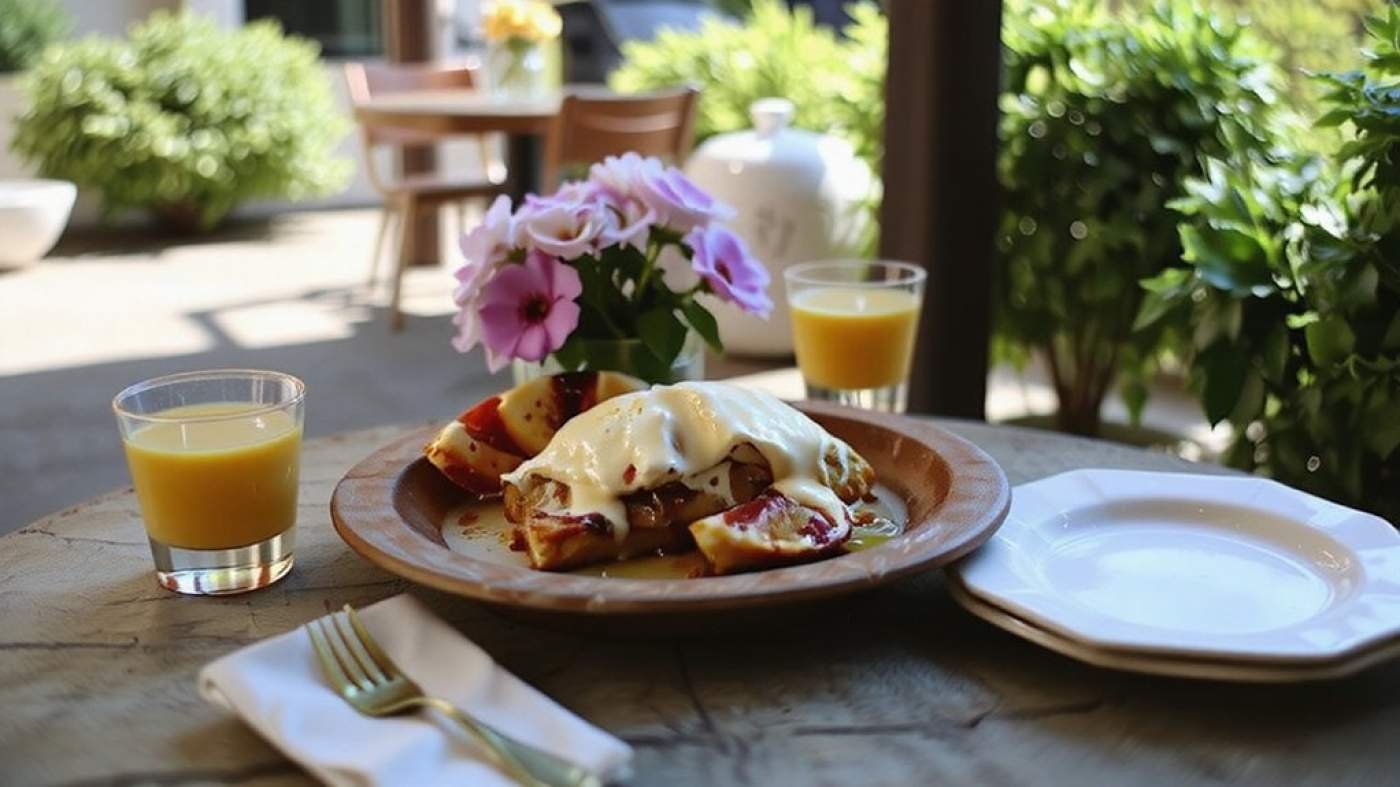

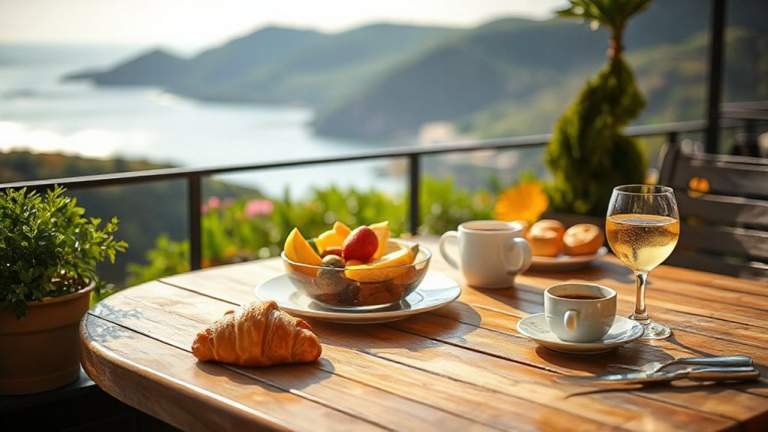
You want your brunch to feel effortless: sunlight on the table, coffee steam rising, the clink of cutlery and the warm smell of eggs and pastry. You can aim for a leisurely mid-morning rhythm that invites late risers without losing the day. Keep a few timing tricks in mind—they change everything, and they’re worth planning for.
Why Brunch Timing Matters
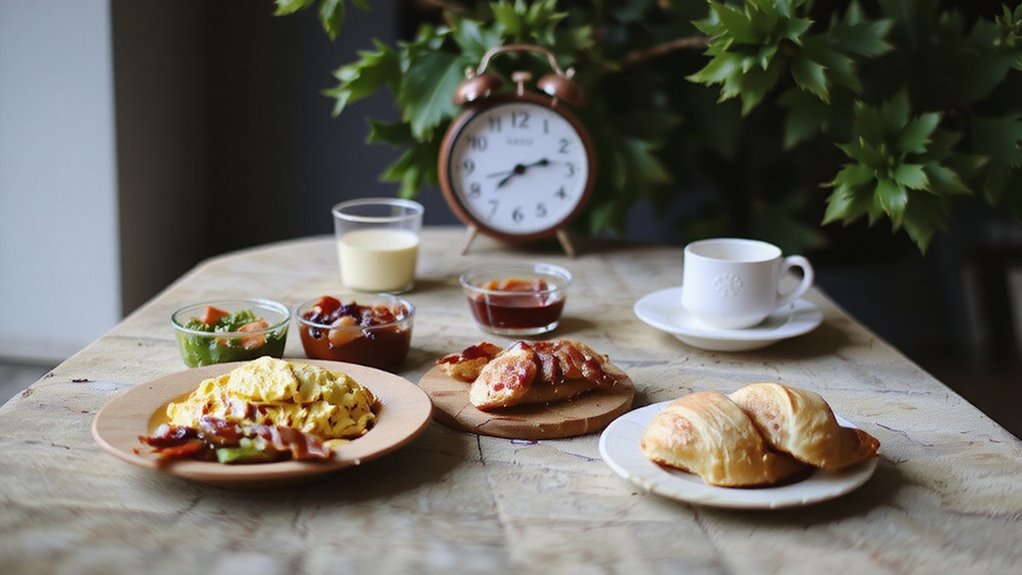
Because the hour you choose shapes everything from appetite to ambiance, timing your brunch matters more than you might think. You’ll notice how sunlight slants, how coffee steam smells, and how the city hum shifts; that’s where innovation begins. Serve too early and soft morning light flatters food but you risk clashing with noise ordinances in denser neighborhoods; too late and golden-hour warmth enhances photography lighting for bold, shareable plates. You control mood: mellow, lingering conversations or energetic, efficient service. You’ll plan music, menu pacing, and staff rotations around that pivot. Think like a designer—test windows of time, measure guest flow and visual impact, then pick the slot that turns practical constraints into creative advantages. You’ll refine timing with data and daring iteration regularly.
Who’s Coming: Guests and Their Schedules
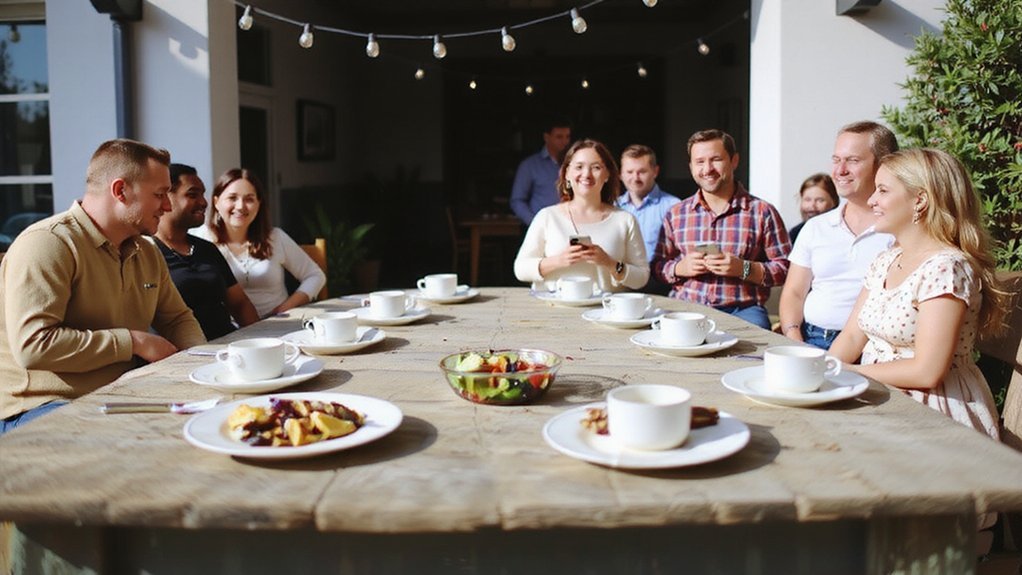
Think about who’s coming—are they early birds craving strong coffee at sunrise or late risers who’ll shuffle in after a slow morning? If some guests have tight schedules, you’ll want a quicker menu and a clear start time so nobody’s rushing. And for travelers or overnight guests, consider a gentler, later pace with hearty, easy plates to help them settle in.
Early Risers Vs Late Risers
When you’re planning brunch, consider who’s rolling out of bed at dawn and who’s still savoring sleep — their rhythms will steer your start time. You’ll notice early risers arrive hungry for sunlit coffee, crisp toast, the clink of plates; they spark conversation with brisk small talk styles and an appetite for projects. Late risers drift in groggy, craving slow pours, plush cushions, soft lighting, and more lingering bites. You’ll balance those energies by choosing a window that honors both: offer a bright early spread and a relaxed second wave with easy plates that keep textures and aromas fresh. Watch group dynamics gently unfold; design a flow that turns staggered arrivals into a deliberate, creative rhythm that feels intentional, not accidental and delight all guests.
Guests With Time Constraints
If some guests have trains to catch or toddlers to tuck in, you’ll want a plan that respects clocks without killing the mood. You’ll stagger courses, offer a brisk espresso and a relaxed mimosa option, and set a clear start-and-finish window so people can arrive and depart with ease. Ask about accessibility needs and medication reminders when you invite—small touchpoints like lower seating, grab rails, a quiet corner, or labeled meds make you thoughtful and efficient. Serve some items buffet-style and pack warm-to-go boxes for tighter schedules. Keep lighting warm, music low, timing visible on a chalkboard, and communicate timing in advance. That way you honor rhythms and still invent a brunch that feels effortless and considered. Guests leave lighter, satisfied, and surprisingly energized.
Travelers and Overnight Guests
Where are your guests coming from, and how will their travel shapes the morning? You imagine the click of zippers, warm coffee-stained air, footsteps soft on unfamiliar floors. If they’ve arrived overnight, plan late breakfast so sleep cycles settle; if they’re jet-lagged, offer bright, citrusy options that wake senses without overwhelm. Flag nearby Luggage storage so people can wander light, and map a few Local attractions for post-brunch curiosity. Set a flexible start— a window between 10 and 12—so arrivals stagger naturally. Use tactile cues: linen that smells faintly of citrus, a playlist that eases time zones. You’re designing rhythm as much as menu, so guests feel rested, ready, and inspired to explore your neighborhood after the meal and linger over imaginative conversations together soon.
Typical Brunch Time Windows Explained
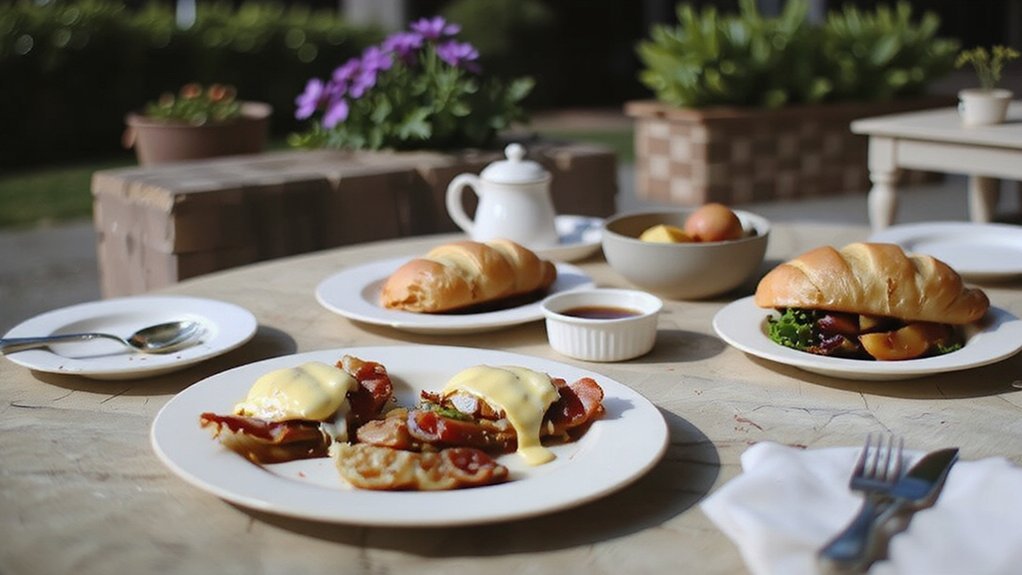
How long does brunch usually run for you? You’ll find typical windows stretch from a bright 9 AM start to a leisurely 2 PM finish, or a tighter 10 AM–1 PM pulse when you want momentum. You sense morning light shift to warm noon, plates cooling, conversation deepening. Consider venue logistics: staff rhythms, seating turnover, noise and transit flow dictate sweet spots. Weather impacts timing too—sunny mornings invite earlier outdoor service, while chilly skies nudge you toward later, cozier hours. For innovators, think flexible blocks: staggered seating, pop-up service hours, or a rolling buffet that adapts as daylight and guest energy change. Trust rhythm over rigid clocks; let experience and place set your clock. Measure feedback and tweak windows with bold curiosity regularly experimentally.
Menu-Driven Timing: What You’re Serving
If you’re serving light fare like flaky pastries, bright fruit, or crisp salads, aim for an earlier, breezy time when guests expect fresh flavors and steaming coffee. For eggs and pancakes—warm, buttery, syrupy aromas—you can push the start into mid-morning to catch growing appetites. And if you’re planning roasts or hearty entrees, set a noon or early-afternoon start so the kitchen can deliver slow-roasted smells and satisfying, sit-down portions.
Light Fare Earlier
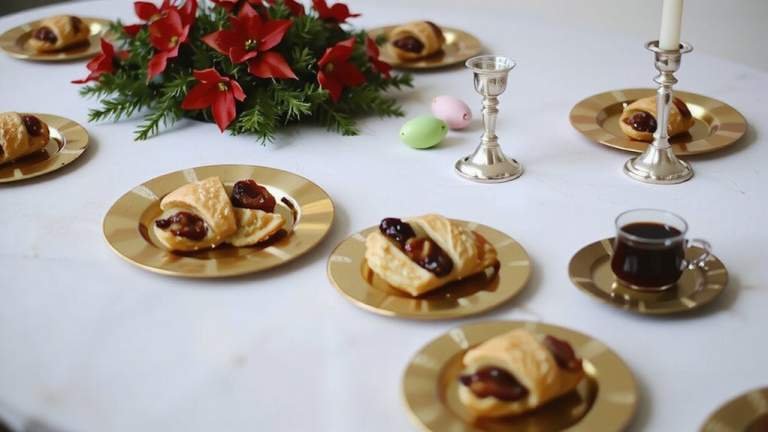
When you serve lighter dishes earlier in the day, guests wake to delicate aromas—warm croissants, lemony ricotta, herb-scented frittata—that set a gentle tone and leave room for heartier bites later. You’ll steer timing around bright, seasonal salads and artful beverage pairings, inviting conversation and curiosity. Arrange plates so textures unfold: crisp, silky, herbaceous. A table can mirror that mood.
| Flavor | Texture | Mood |
|---|---|---|
| Citrus & fennel | Crunchy, juicy | Invigorating, hopeful |
| Smoked trout | Silky, delicate | Calm, curious |
| Stone fruit & herbs | Tender, bright | Playful, inventive |
You’ll pulse the brunch later with bolder plates as appetite grows. You’ll innovate without overwhelming early palates now.
Eggs and Pancakes
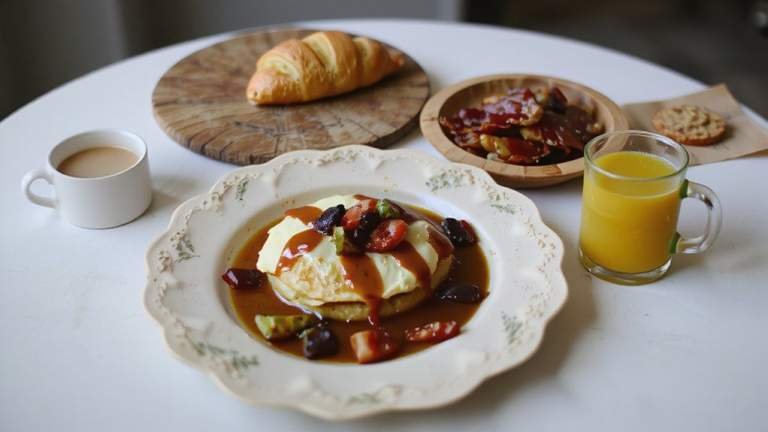
Why not let eggs and pancakes choreograph the meal’s tempo? You’ll set a playful rhythm: airy pancakes that sigh when you cut them, and eggs that wobble with confident silk. Serve between 10–12 when guests crave both comfort and creativity; the timing lets syrup gloss and yolks hold. Aim for texture contrast—crisp edges, pillowy centers—so each bite surprises. Explore bold flavor pairings to lift classic profiles: citrus ricotta, miso butter, smoked paprika hollandaise. Imagine this:
- Fluffy ricotta pancakes with lemon zest.
- Scattered herb omelet, lightly browned.
- Buckwheat cakes with browned butter syrup.
- Soft-poached eggs on charred brioche.
You’ll create a menu that nudges the clock, inviting lingering conversation without pushing into heavy dinner territory. Guests will remember the inventive balance.
Roasts and Entrees
After the flirtation of pancakes and eggs, you’ll shift the tempo to heartier fare—roasts and composed entrées ask for a different kind of timing. You’ll want the room to smell like slow-browned crust and herbs, the gravy whispering over plates while guests settle, so aim later in the brunch window—around 12:30 to 2:00—when appetites build. Plan carving techniques ahead: thinner slices, rhythmic presentation, and a dedicated station keep flow smooth. Match textures with bold sauce options—bright chimichurri, silky jus, or a citrus glaze—to lift weighty proteins and invite experimentation. You’ll serve with confidence when pace and plate design align, turning midday meals into inventive, lingering experiences that feel relaxed, intentional, and wholly modern and memorable for curious diners seeking bold brunch narratives and playful.
How Long Should Brunch Last?
How long should your brunch last? You want a rhythm that lets flavors linger, conversation unfurl, and ideas spark — not a race. Aim for a sweet spot that balances appetite with atmosphere; consider Music Duration to guide pacing and leave a practical Cleanup Window at the end. Picture a timeline:
Set a relaxed brunch rhythm—let flavors linger, conversation unfurl, and leave a short cleanup window
- Arrival and welcome bites — 30–45 minutes
- Main courses and flowing conversation — 60–75 minutes
- Dessert, coffee, and idea exchange — 30 minutes
- Wind‑down and Cleanup Window — 15–30 minutes
You’ll feel the room mellow as plates clear and tunes ease. This structure keeps energy inventive without overstaying, giving guests freedom to savor textures, sip slowly, and leave inspired. Adjust lengths based on menu complexity and guest mood; innovation thrives when timing feels intentional.
Timing for Weekends vs. Weekdays
Usually on weekends you can lean into a slow, sunlit rhythm—think warm coffee steam, soft playlists, and a relaxed arrival that lets conversation stretch—whereas weekday brunches call for a tighter schedule that respects workdays and commutes. You calibrate timing: weekends start later, around 10–11am, so flavors unfold and plates arrive unhurried; weekdays begin earlier, near 8:30–9:30am, so service is efficient without feeling clinical. Design menus and pacing to match tempo—shareable boards and leisurely cocktails for weekend windows, streamlined dishes and swift runs for weekday seats. Factor urban realities like commute congestion and public transit timetables into reservations and staffing. When you prototype timings, measure turnover and satisfaction, then iterate toward a fresh, flexible brunch model. You’ll refine details with data and bold sensory choices.
Travel, Sleep, and Late Risers: Practical Considerations
Factoring travel delays and sleep cycles into your brunch plan keeps the morning feeling effortless instead of frantic: anticipate late trains, airport arrivals, and guests who’ve kept odd hours by holding a soft buffer in your reservation times, offering staggered seating, and keeping a few warm, grab-and-go options on hand so late risers still get something fresh the minute they sit. You’ll think about luggage logistics and transit syncing, tune lighting and aroma so sleepy guests wake gently, and provide clear pick-up cues for those coming. Touches — a steaming mug, toast — anchor delayed mornings. Try these practical moves:
- Flexible start window for staggered arrivals
- Lightweight storage for luggage and coats
- Express plates for latecomers
- Live transit updates displayed
Sample Schedules for Different Start Times
Once you’ve planned for late trains, luggage and sleepy guests, you can map out concrete rhythms that match different start times: a 9:00am brunch leans into soft morning light, steaming coffee and a quick sit-down plate; a 10:30am service lets you add a small hot course and a relaxed toast; a noon gathering gives you time for a fuller spread, warm casseroles and a gentle soundtrack as people settle. For each option, sketch arrival flow, plating cadence and interactive moments that feel deliberate. You’ll align staff schedules to peaks—barista, server, kitchen shifts—so timing stays fluid. Build in buffer windows for topping dishes, and a clear cleanup timeline that frees you to iterate on menu flow. Test one version, adjust sensory cues, and repeat regularly.
Tips for Announcing and Confirming the Start Time
How you tell guests the start time shapes the whole morning’s rhythm. You set a tone: crisp, sunlit arrival or lingering, buttery breakfast. Send tidy calendar invites with clear arrival windows and a short note about vibe and menu. Follow up with reminder texts the evening before and an hour ahead so arrivals smell coffee, not chaos.
- Give an exact minute to reduce guesswork.
- Note parking, entry codes, or stroller space.
- Suggest an arrival drink to cue the mood.
- Offer a flexible window for late sleepers.
Use concise, inventive language—your guests will feel guided, not managed, and your brunch will land like a bright, intentional moment. Confirm RSVPs early and iterate on timing based on feedback and neighborhood noise patterns.
Conclusion
You’ll aim for a sunlit mid‑morning window that feels easy on appetite and schedule. Smells of coffee and warm toast will cue conversation while the light makes plates glow. Pick a start that fits your menu and guests, stagger seating for commuters or late risers, and keep the mood relaxed rather than clock‑strict. You’ll tweak timing with each gathering, trusting rhythm, feedback, and small details to make brunch linger deliciously and guests will leave smiling.








Leave a Comment